







 GET QUOTE
Home / Editorial / Sliding vs Hinged Wardrobe Doors: Which Is Better for a Small UK Bedroom?

19 Oct 2026
Sliding vs Hinged Wardrobe Doors: Which Is Better for a Small UK Bedroom?
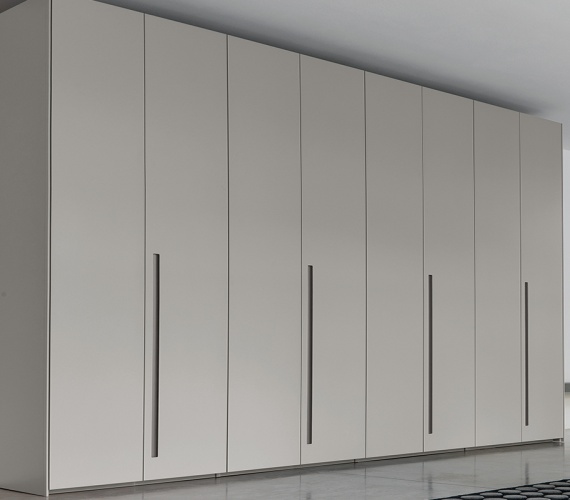
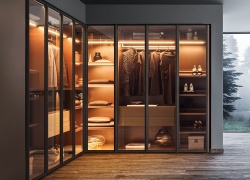
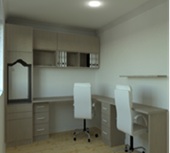
Figure 1: Choosing between sliding tracks and traditional hinged doors determines walkway clearance, internal wardrobe depth, and daily bedroom flow.
I. Introduction
Designing a small bedroom in the UK is an exercise in millimeter precision. With average British bedroom sizes among the most compact in Western Europe—frequently measuring under $3.0\text{m} \times 3.5\text{m}$ in Victorian terraced properties and modern new-builds—every centimeter of floor space dictates whether the room feels calm and organized or cluttered and cramped.
When installing a fitted wardrobe, the single most impactful architectural choice you will make is the door operating mechanism: sliding wardrobe doors vs. traditional hinged wardrobe doors. Choosing the wrong door system can lead to daily frustration—such as hinged doors that bang into your bed frame or sliding tracks that steal too much valuable internal clothes-hanging depth.
In this master comparison, we examine the technical clearances, interior accessibility, installation complexities, and cost differentials of both systems to help you choose the ideal mechanism for your home. Before committing to a purchase, review current pricing benchmarks in our London Fitted Wardrobe Cost Guide, explore awkward room strategies in The Awkward Bedroom Playbook, master two-person storage in Planning the Perfect Wardrobe Interior, or evaluate financial returns in Do Fitted Wardrobes Add Value to a Home?. You can also book a free spatial consultation directly at Xeeni Design Services.
Key Technical Benchmarks: Sliding vs Hinged Wardrobe Doors
- Forward Floor Clearance: Hinged doors require 600mm open swing arc; sliding doors require 0mm forward clearance.
- Internal Depth Consumption: Sliding top/bottom track systems consume 80mm–100mm of internal carcass depth; hinged doors consume only 20mm–25mm.
- Minimum Recess Requirement: Sliding wardrobes require minimum 650mm external depth for standard hanging; hinged wardrobes require only 580mm–600mm.
- Simultaneous Access: Hinged doors open 100% of the interior simultaneously; sliding doors restrict access to 50% (2-door) or 33% (3-door) at any one time.
- Price Differential: Premium aluminium sliding track systems cost approximately 15% to 25% more than equivalent hinged door sets.
II. What are Sliding and Hinged Wardrobe Doors?
Understanding the mechanical operation of each door style is essential before evaluating room suitability:
1. Sliding Wardrobe Doors
Sliding wardrobe doors operate on parallel horizontal tracks mounted at the top ceiling frame and bottom floor plinth. Door leaves (typically 2, 3, or 4 panels measuring between 600mm and 1200mm wide per door) glide past each other on heavy-duty ball-bearing nylon rollers. They do not project outward into the bedroom footprint when opened.
2. Hinged Wardrobe Doors
Hinged wardrobe doors (also known as swing doors) are attached directly to the vertical cabinet carcass sides using concealed 110° to 165° soft-close cup hinges. Door leaves (typically 400mm to 600mm wide) swing outward into the room footprint along a 90° to 165° arc, exposing the entire cabinet interior.

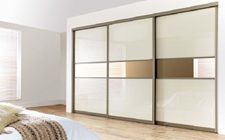
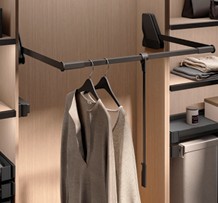
Figure 2: Hinged wardrobe doors provide 100% simultaneous panoramic visibility across all internal compartments, but require unobstructed forward floor clearance.
III. Benefits and Drawbacks of Sliding Wardrobe Doors
Advantages of Sliding Doors in Small Bedrooms
- Zero Forward Floor Clearance Required: Because the doors glide sideways, they do not swing into the bedroom. You can place a double bed, bedside table, or radiator just 100mm–200mm in front of the wardrobe without impeding operation.
- Expansive Mirrored Panels: Sliding doors easily accommodate full-height safety-backed mirrored glass across large spans (up to 1.2m wide per door). This reflects natural window light and visually doubles the perceived size of a compact bedroom.
- Sleek Contemporary Aesthetic: Wide sliding panels with minimalist aluminium frames create clean, unbroken architectural lines that complement modern flats. Learn about sleek German minimalist profiles on The German Kitchens.
Drawbacks of Sliding Doors in Small Bedrooms
- Consumes 100mm of Internal Depth: The dual top and bottom track running gear takes up 80mm to 100mm of depth. If your room alcove is shallow (under 600mm), your clothes hangers will rub against the sliding doors unless you install forward-facing pull-out rails.
- 50% Visibility Restriction: You can only ever slide open one side at a time. Two people cannot browse opposite sides of the wardrobe simultaneously.
- Track Maintenance: Bottom tracks collect carpet fluff and dust over time, requiring regular vacuuming to prevent roller dragging.
IV. Benefits and Drawbacks of Hinged Wardrobe Doors
Advantages of Hinged Doors in Small Bedrooms
- 100% Full-Aperture Visibility: Opening all doors at once gives you a complete panoramic view of your clothing collection, accessories, and shoes, speeding up morning routines.
- Maximizes Internal Depth: Hinges mount directly to the 18mm carcass face, consuming zero internal wardrobe depth. This makes hinged doors ideal for shallow alcoves (550mm–580mm depth). Review substrate durability in Kitchen Cabinet Materials Explained.
- Back-of-Door Storage Utility: You can mount full-length mirrors, tie racks, belt hooks, or shoe organizers directly onto the inner face of hinged timber doors.
- Adaptable to Awkward Angled Ceilings: Hinged doors can be custom-cut on CNC machinery to follow sloping loft eaves and angled rafters.
Drawbacks of Hinged Doors in Small Bedrooms
- Demands 600mm of Open Walkway Space: A 500mm–600mm door leaf requires at least 600mm of unobstructed clearance in front of the wardrobe to swing open fully without hitting bed posts or nightstands.
- Restricts Bedroom Layout Options: Furniture placement is strictly dictated by the door swing paths, limiting where you can position beds and dressing tables.
"The single most common mistake homeowners make in small bedrooms is installing sliding wardrobes in shallow alcoves. A sliding track steals up to 100mm of interior depth. If your alcove is only 550mm deep, coat hangers will catch on the sliding glass every single day. In shallow spaces, hinged doors are mechanically superior."
— Technical Advisory Panel, Kitchen Bathroom Bedroom Specialists Association (KBSA)
V. Head-to-Head Comparison Matrix for Small UK Bedrooms
Evaluate how sliding and hinged door mechanisms perform across core practical criteria:
| Evaluation Factor | Sliding Wardrobe Doors | Hinged Wardrobe Doors | Winner for Small Bedrooms |
|---|---|---|---|
| Floor Space Clearance | 0mm forward footprint required | 600mm unobstructed swing clearance needed | Sliding Doors |
| Internal Depth Efficiency | Consumes 80mm–100mm for running tracks | Consumes only 20mm–25mm for door thickness | Hinged Doors |
| Interior Visibility | 50% (2-door) or 33% (3-door) access at once | 100% full panoramic visibility simultaneously | Hinged Doors |
| Shallow Alcove Performance (<580mm) | Poor (Requires pull-out front-facing rails) | Excellent (Accommodates standard hangers) | Hinged Doors |
| Light Reflection (Mirrored Glass) | Large, seamless floor-to-ceiling mirrors | Requires split mirrors across multiple panels | Sliding Doors |
| Suitability for Sloping Eaves | Complex (Requires stepped rectangular runs) | Excellent (Custom CNC rafter pitch cuts) | Hinged Doors |
| Relative Cost Tier | £££ (Higher hardware & track fabrication) | ££ (Cost-effective standard soft-close hinges) | Hinged Doors |

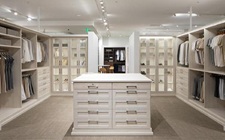
Figure 3: Top-hung aluminium sliding tracks ensure effortless, silent gliding while keeping bottom floor thresholds clean and unobtrusive.
VI. Installation and Maintenance Requirements
Proper installation and care ensure smooth operation over a 20+ year lifespan:
1. Installation Complexities
- Sliding Door Systems: Require a perfectly level top header and bottom floor track. If an uneven floor is not corrected with an adjustable base plinth subframe, sliding doors will roll open automatically or bind along the track. Fitting takes 1 to 2 working days for a standard 2.5m run. Trade fitters can source pre-assembled 18mm carcasses directly from Trade Kitchens UK.
- Hinged Door Systems: Carcasses must be set plumb with a laser level. Fitters hand-scribe filler fillets around skirting boards and coving, then calibrate the 3-way adjustment screws on Blum hinges to ensure crisp 2mm door margins. Avoid common fitting errors by reviewing Kitchen Design Mistakes to Avoid.
2. Maintenance Protocols
- Sliding Track Cleaning: Vacuum the bottom track channels every 3 to 6 months to remove carpet fibers, dust, and pet hair. Apply silicone-based dry lubricant to nylon rollers annually if friction increases.
- Hinge Damping Checks: Wipe down soft-close hinge arms with a dry microfibre cloth; check tightening screws every 18 months to prevent door sagging. For general budget planning advice, consult How to Plan a Renovation Without Going Over Budget.
Find the Perfect Wardrobe Door System for Your Bedroom
Book a free 3D design consultation with our senior joinery consultants to evaluate room clearances, compare finishes, and receive an itemized quote.
Book a Bedroom Design ConsultationExplore Our UK Design & Storage Network
Connect with our specialized UK platforms for bespoke bedroom joinery, precision German cabinetry, and trade supply:
- Bespoke Studio Design: Explore custom bedroom layout planning at Xeeni Studio Hub.
- Fitted Bedroom Collections: Discover custom fitted wardrobe solutions at Xeeni Kitchens.
- Precision German Engineering: Explore engineered wardrobe and storage ranges on The German Kitchens.
- Direct Trade Sourcing: Fitters and trades can source pre-assembled 18mm carcasses directly from Trade Kitchens UK.
- London Price Guide: Check current 2026 fitting rates in How Much Do Fitted Wardrobes Cost in London?.
- Awkward Space Solutions: Read the complete guide in The Awkward Bedroom Playbook.
VII. Conclusion: Which Door Style Should You Choose?
Deciding between sliding and hinged wardrobe doors for a small UK bedroom comes down to one decisive spatial metric: where is your space restricted?
The Final Verdict:
- Choose Sliding Wardrobe Doors IF: Your bedroom walkway is extremely tight (under 600mm between wardrobe and bed frame) and your alcove recess has ample depth (650mm+). Mirrored sliding doors will maximize walk-through clearance and reflect light across the room.
- Choose Hinged Wardrobe Doors IF: Your alcove is shallow (under 580mm depth), your room features sloping attic eaves, or you prioritize 100% full-visibility access and back-of-door storage accessories.
Frequently Asked Questions (FAQs)
Direct answers to common queries regarding sliding and hinged wardrobe door selection:
Q1: Which is better for a small UK bedroom: sliding or hinged wardrobe doors?
Answer: For very tight UK bedrooms where a bed or bedside table sits within 500mm of the wardrobe, sliding doors are superior because they require zero forward clearance to open. However, if your room has adequate walkway space (600mm+) but shallow alcove depth, hinged doors are preferable because they do not consume 100mm of internal track depth.
Q2: Do sliding wardrobe doors take up more internal space than hinged doors?
Answer: Yes. Sliding track systems consume approximately 80mm to 100mm of internal wardrobe depth to accommodate the dual top and bottom tracks. Consequently, a sliding wardrobe requires an overall external carcass depth of 650mm–680mm to achieve standard 550mm–580mm hanging space, whereas hinged units only need a 580mm–600mm depth.
Q3: Can you open all doors on a sliding wardrobe at the same time?
Answer: No. On a standard two-door or three-door sliding system, sliding panels overlap along parallel tracks, meaning you can only view and access 50% (on a 2-door system) or 33% (on a 3-door system) of your wardrobe at any single moment. Hinged doors open simultaneously to offer 100% full-width panoramic visibility.
Q4: Are sliding wardrobe doors more expensive than hinged doors?
Answer: On average, quality sliding wardrobe doors cost 15% to 25% more than standard hinged doors due to heavy-duty aluminium top and bottom track running gear, integrated soft-close dampers, and safety-backed glass or mirror panel fabrication.
Q5: What maintenance do sliding wardrobe door tracks require?
Answer: Bottom running tracks should be vacuumed every 3 to 6 months to remove dust, carpet fibers, and debris that cause roller friction. Rollers should be checked for vertical alignment and calibrated with an Allen key if doors begin to drag.
Cited Sources & Industry References
- Kitchen Bathroom Bedroom Specialists Association (KBSA): Fitted Bedroom Furniture Ergonomics & Clearance Code of Practice.
- Royal Institution of Chartered Surveyors (RICS): UK Residential Space Optimization & Built-In Joinery Guidelines.
- Guild of Master Craftsmen UK: Sliding Track and Concealed Cup Hinge Installation Protocols.
