
















 GET QUOTE
A calmer route to moving day
Preparing Your Home Before Moving House
Preparing your home before a move is often overlooked until it's too late. But the weeks leading up to the big day can make all the difference in how smooth the process goes. Not only does a well-prepared home show better to potential buyers, but it also helps you avoid costly surprises during surveys and reduces the stress of unpacking at the other end.
Start with a plan
Make each week count
In this guide, we'll walk you through the essential tasks to tackle, in the order they tend to matter, so you can focus on what really needs doing without getting bogged down in advice that's already been covered elsewhere. From decluttering and small repairs to getting your paperwork in order, we'll cover it all, providing practical tips and advice to help UK homeowners prepare their homes for a stress-free move.
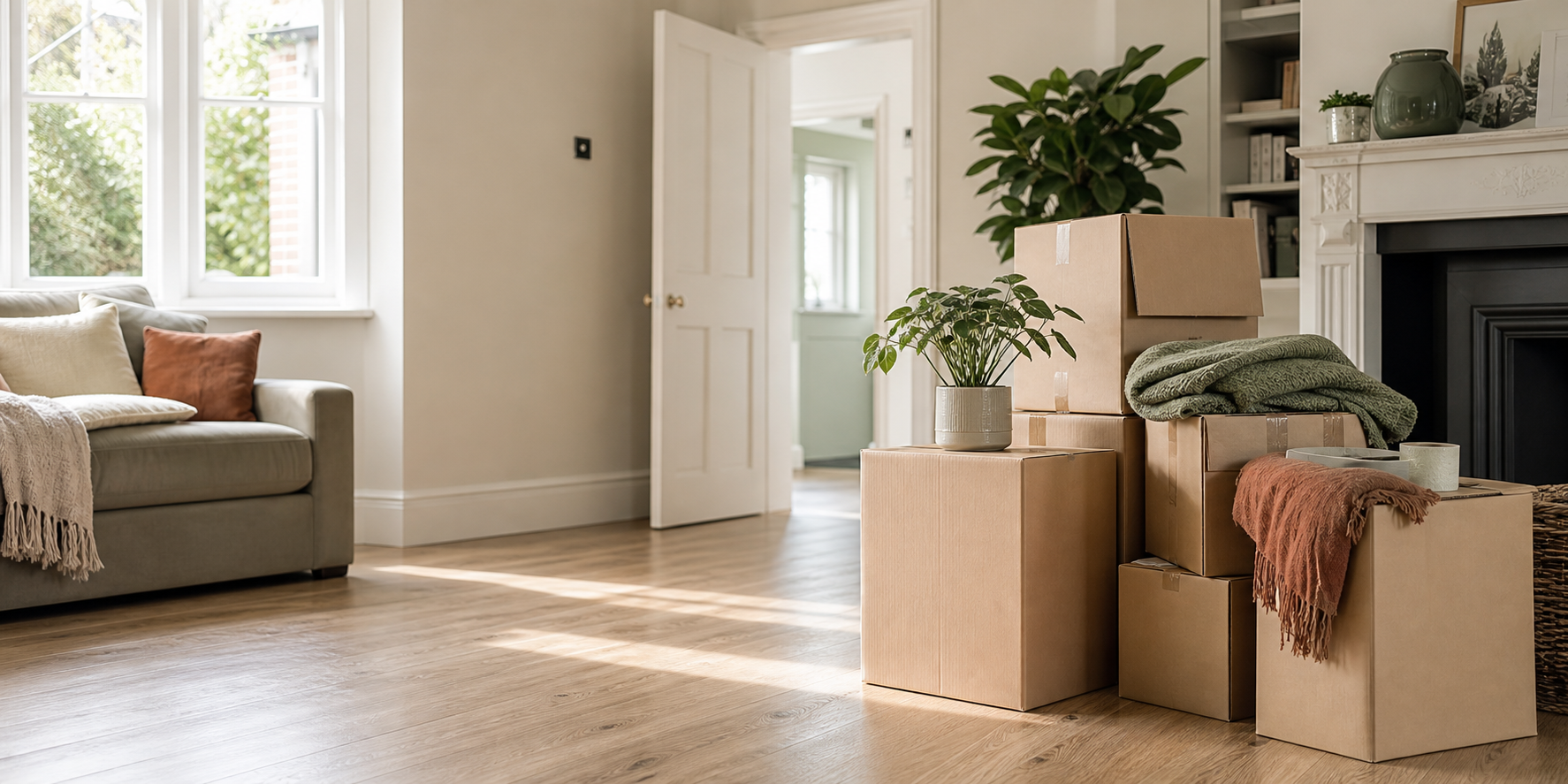
Moving house is one of the most disruptive things most people do, and the weeks before the move often decide how smooth the rest of it goes. A home that's been properly prepared doesn't just pack up faster; it also shows better to buyers, moves through surveys with fewer surprises, and settles into its new life with less stress at the other end. This guide walks through what actually needs doing, in the order it tends to matter, without padding it out with advice you've already read a dozen times.
Why Preparation Matters Before You List or Move
A home that's cluttered or in need of small repairs can quietly cost you money and time. Buyers form an impression within the first few minutes of a viewing, and surveyors flag issues that a quick fix could have avoided. Even if you're not selling and simply relocating, preparation reduces the physical and mental load of the move itself. Boxes get packed faster when rooms aren't overflowing, and unpacking at the other end is far less stressful when you've already sorted what's worth keeping.
Decluttering Room by Room: Start with the rooms that accumulate the most over time. Wardrobes, airing cupboards, garages, and lofts are usually the worst offenders. Work through one room at a time rather than jumping between them, and sort items into keep, sell, donate, and dispose of piles as you go. Charity shops across the UK, along with sites like Freecycle and Facebook Marketplace, make it easy to pass on furniture and household goods you no longer need rather than paying to move or dispose of them.
Practical Tip: Photograph rooms before you declutter if you're selling. Estate agents often want 'lived-in but tidy' shots, and having a before-and-after reference helps you judge how much is actually needed for viewings.
Small Repairs That Make a Big Difference
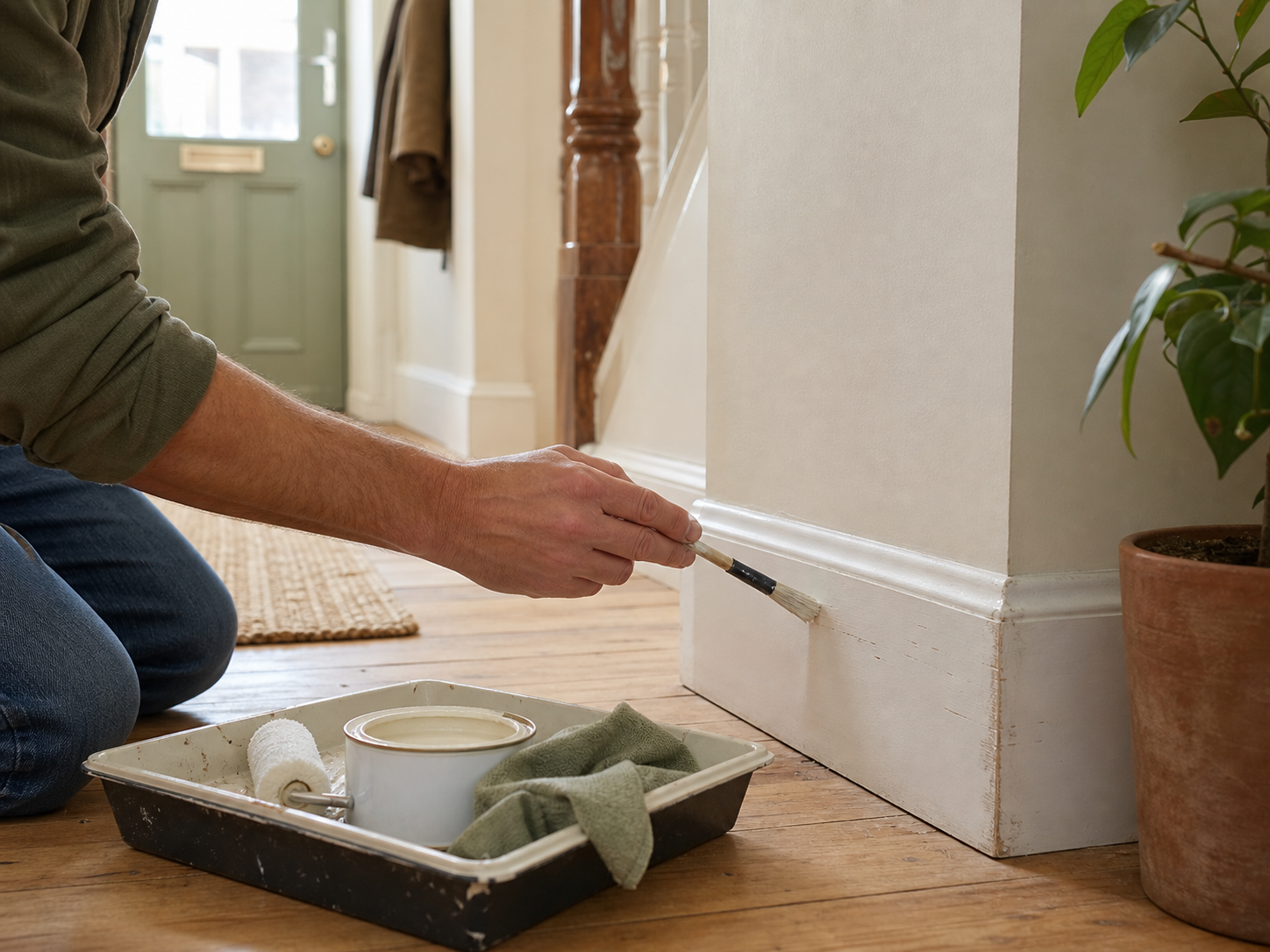
Dripping taps, sticking doors, cracked tiles, and scuffed skirting boards rarely take long to fix but stand out immediately to a buyer or surveyor. Walk through the property with a fresh eye, or ask a friend to do it with you, noting anything that would catch attention. A fresh coat of neutral paint in hallways and living areas tends to offer the best return for the effort involved, particularly if walls show marks from furniture or family life.
Getting the Kitchen and Bedrooms Move-Ready
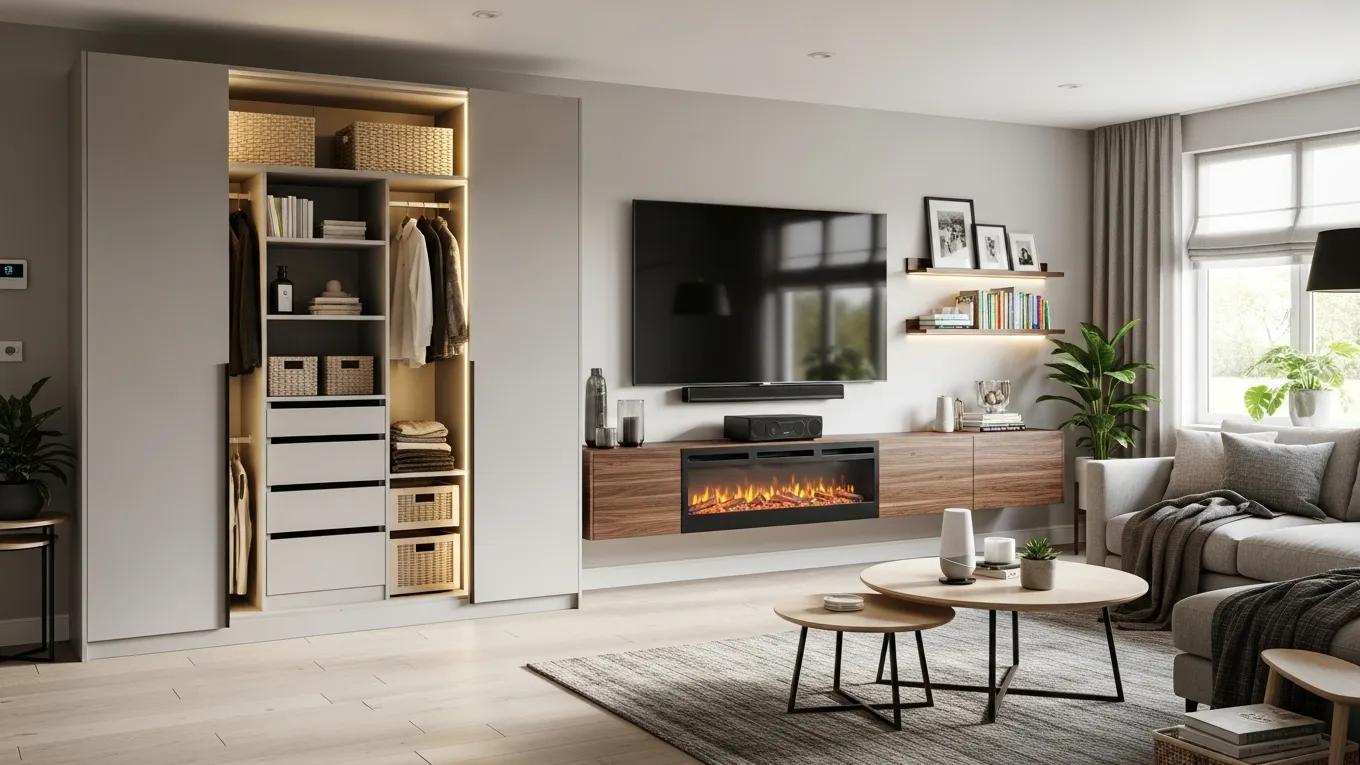
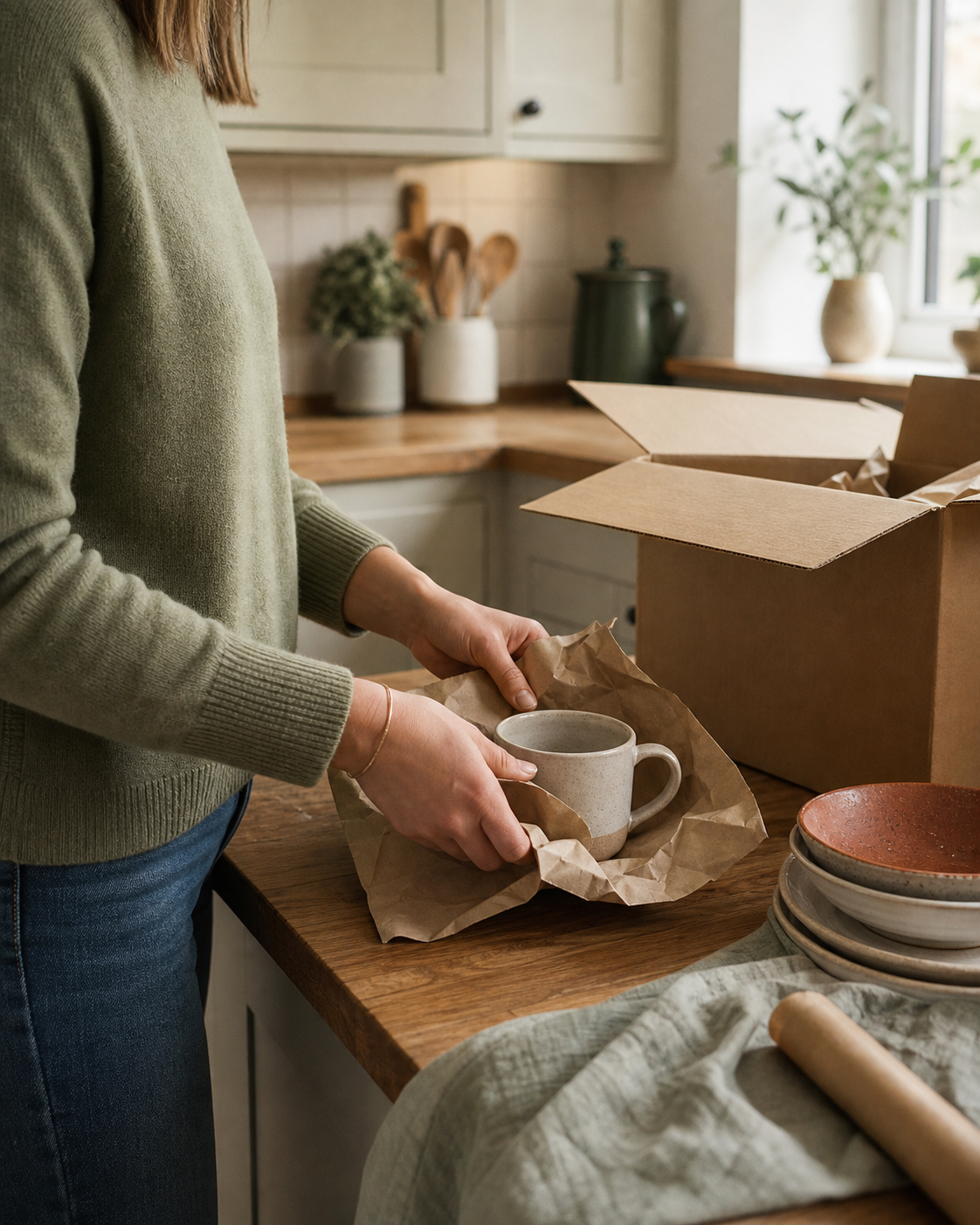
The kitchen is one of the first spaces buyers judge and one of the most disruptive to pack, so it's worth tackling early. Clear worktops down to the essentials, empty cupboards of anything expired or rarely used, and give appliances a proper clean, since grease and grime show up clearly in photos and viewings. Bedrooms benefit from a similar approach: pare wardrobes back to a capsule of clothing you'll actually wear before the move, and store out-of-season items in labelled boxes rather than leaving them crammed into drawers. A tidy, uncluttered bedroom photographs better and packs in a fraction of the time.
The practical details
Organising Paperwork and Practical Logistics
Before moving day, gather the paperwork you'll need: your Energy Performance Certificate if selling, warranty documents for appliances staying with the property, and details of your boiler service history. Set up Royal Mail's redirection service so post follows you rather than piling up at your old address, and notify your council so council tax is billed correctly from your move date. If you're selling, keep instruction manuals and any relevant guarantees together in a folder to hand over, since this small gesture is often remembered fondly by new owners and can smooth over any post-completion questions.
Final Walkthrough Before Moving Day
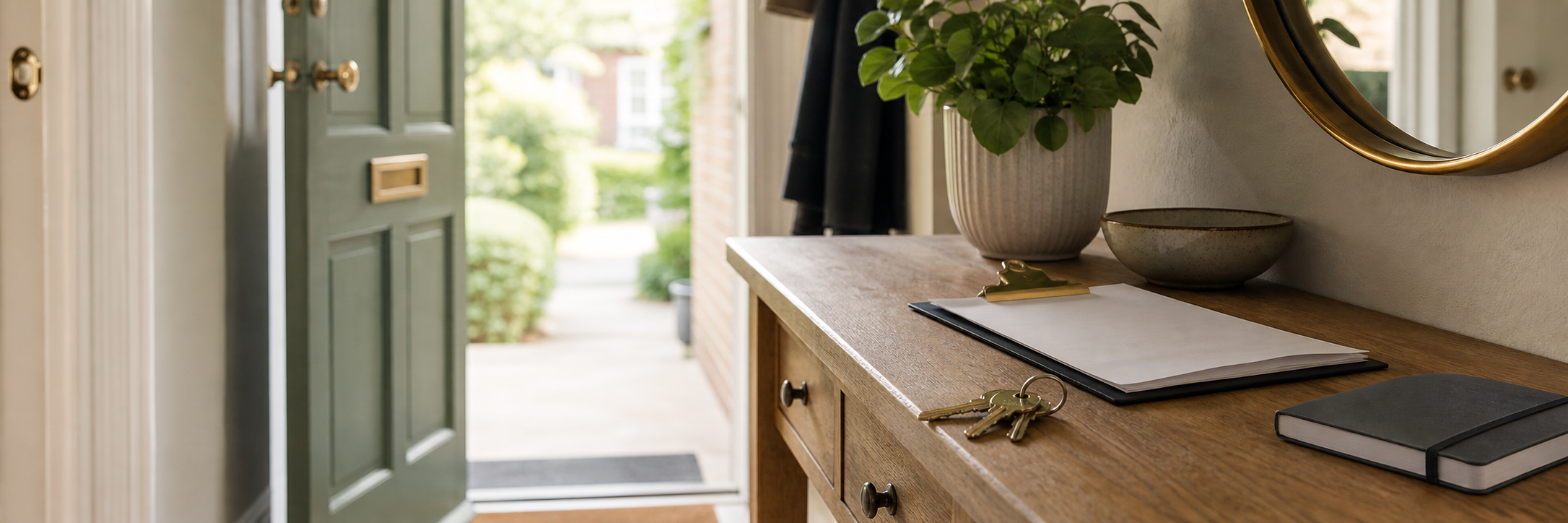
In the last few days, do a final walkthrough with a checklist: meter readings taken, keys for all doors and windows gathered, and any items you've agreed to leave (curtain poles, light fittings, sheds) confirmed in writing with the buyer. Check lofts, garages, and outbuildings one more time, since these are the spaces people most often forget. A short, methodical pass through the whole property in the final 48 hours catches almost everything that would otherwise turn into a last-minute scramble.
Keep the handover together
Store readings, keys, guarantees and agreed fixtures in one clearly marked place so the final handover stays methodical.
The finish line
Conclusion
Preparing a home before a move isn't about making it perfect; it's about removing the friction that turns moving day into a crisis. Decluttering early, fixing the small things, giving the kitchen and bedrooms proper attention, and getting your paperwork in order all add up to a move that's calmer for you and, if you're selling, more appealing to buyers. None of it needs to happen at once. Spread it over the weeks before your move and it barely feels like extra work at all.