







 GET QUOTE

17 Sep 2026
Why Choose Made-to-Measure Furniture?
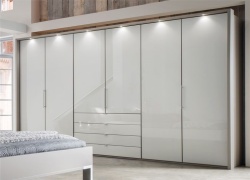
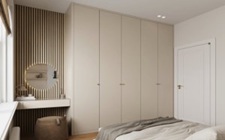
Settling for mass-produced furniture frequently forces homeowners into compromises: awkward gaps around structural alcoves, mismatched proportions, and wasted vertical capacity. Commissioning architectural made-to-measure furniture bridges the divide between pure interior aesthetics and rigorous functional engineering, creating bespoke cabinetry tailored to individual spatial boundaries and storage inventories.
Direct Answer: Why Invest in Made-to-Measure?
Made-to-measure furniture delivers a tailored architectural fit that recaptures up to 40% more usable room volume compared to standardized flat-pack furniture. Built using 18mm+ high-density moisture-resistant substrates and precision joinery hardware, it eliminates dead gaps around period quirks, improves everyday ergonomics, and delivers an estimated 20% to 50% greater long-term financial value through extended operational durability and property equity enhancement.
What is Made-to-Measure Furniture?
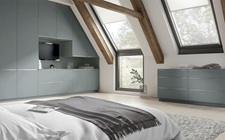
Made-to-measure furniture is a bespoke manufacturing and spatial planning methodology where each cabinetry unit is planned, engineered, and assembled to match the specific millimeter boundaries of an interior layout. Unlike standard factory runs that produce identical carcasses in set increments (e.g., 400mm, 600mm, or 800mm), bespoke joinery conforms directly to floor-to-ceiling heights, chimney alcoves, and sloped ceiling rafters.
The production pathway is collaborative, establishing a direct link between spatial surveyors, CAD draftsmen, and cabinetmakers to account for:
- Millimetric Spatial Boundaries: Exact laser site measurements that prevent the need for wide, unsightly filler strips along uneven plaster walls.
- Dedicated Lifestyle Ergonomics: Tailored internal layouts—such as custom shelving heights, heavy-duty pull-outs, and dedicated accessory trays.
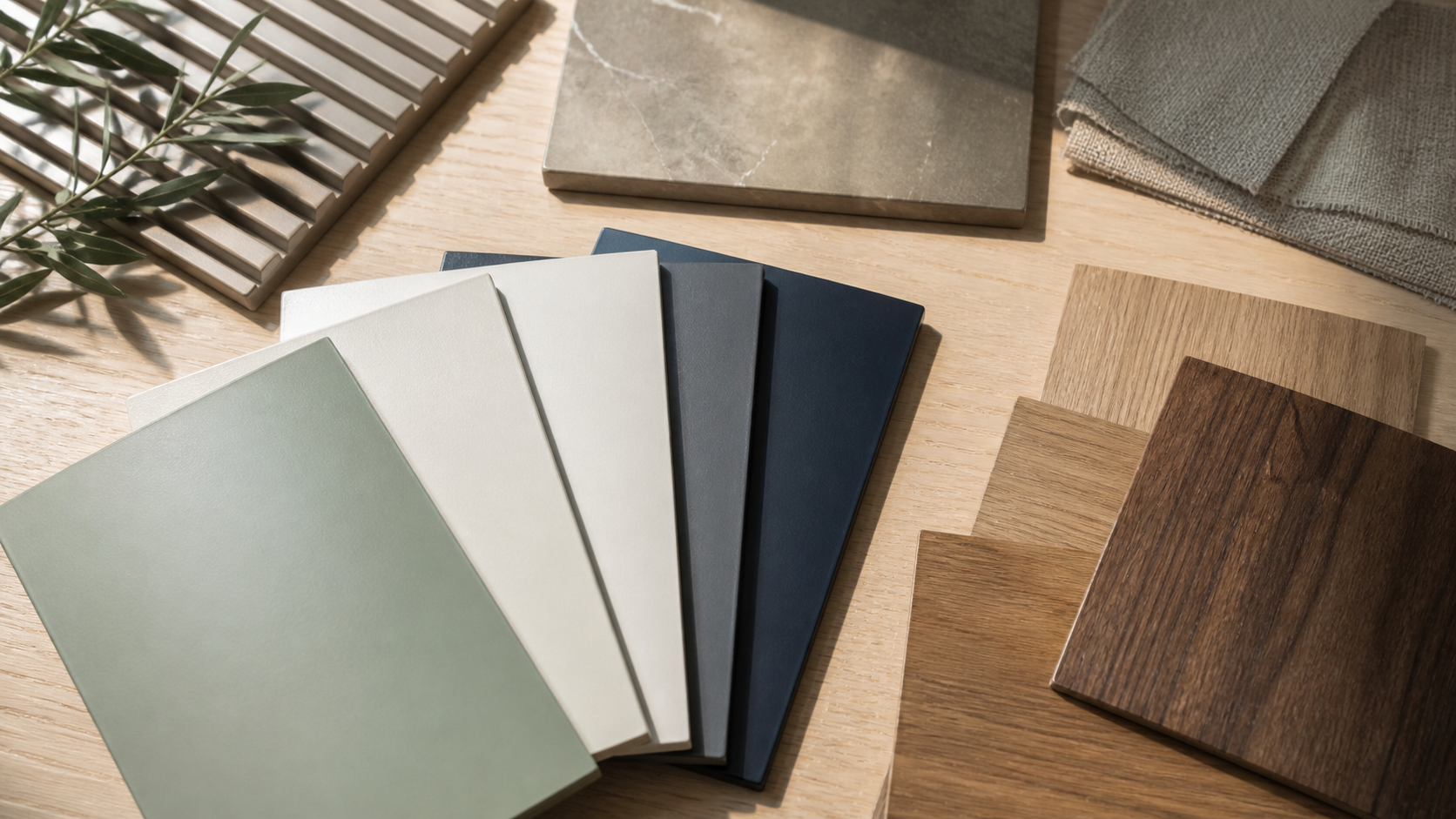
- Engineered Substrates: Selection of high-grade core materials, such as moisture-resistant MDF (MR MDF), FSC-certified solid timber, and durable polyurethane spray finishes that resist environmental humidity changes.
Key Benefits of Choosing Made-to-Measure Furniture
The benefits of architectural joinery extend well beyond visual refinement. Selecting precision cabinetry directly resolves spatial, functional, and environmental concerns:
- Substantial Space Recovery: Standard off-the-shelf units leave unusable gaps above the top panels and along side recesses. Custom cabinetry maximizes the vertical axis completely, providing seamless floor-to-ceiling storage.
- Ergonomic Tailoring: Desks, worktops, and hanging rails are positioned to match your exact working and physical posture, reducing strain and improving daily utility.
- Reduced Material Waste: Mass-produced modular furniture generates significant waste through fast-replacement turnover. Long-lasting bespoke pieces reduce landfill strain and minimize recurring consumption.
- Property Value Enhancement: High-specification built-in cabinetry is treated as an architectural fixture rather than disposable personal chattel, supporting superior property valuations during sales appraisals.
"Fitted furniture should not be evaluated simply as decorative storage; it is permanent functional infrastructure. When joinery integrates cleanly with a room's physical envelope, it changes how square footage is perceived and utilized."
— Spatial Ergonomics & Architectural Joinery Consensus
How Made-to-Measure Differs from Off-the-Shelf Furniture
While flat-pack furniture offers convenient short-term availability, it comes with fundamental engineering differences compared to workshop-built joinery. Understanding these factors ensures clarity on project longevity and lifecycle costs. For full bedroom layouts, explore our guides on planning custom built wardrobes and integrating blinds to sliding doors.
| Engineering Criterion | Mass-Produced Off-the-Shelf | Made-to-Measure Architectural Joinery |
|---|---|---|
| Carcass Core Strength | 15mm standard particleboard / chipboard | 18mm–22mm high-density MR MDF or solid timber core |
| Dimensional Fitting | Fixed modular increments; broad blank infills | Millimetric scribing conforming directly to wall contours |
| Hardware Life Cycle | Light-duty runners (10,000–20,000 cycles) | Soft-close systems tested up to 100,000+ drawer cycles |
| Space Efficiency | Leaves 15%–30% dead vertical and corner void | 100% floor-to-ceiling and alcove utilization |
| Expected Durability | 3 to 7 years before mechanical loosening | 25+ years with maintenance and refinishing options |

Customization Options and Ergonomics
Made-to-measure manufacturing puts complete control in your hands regarding functionality, material selection, and aesthetic detail. To explore design variants, consult our technical overviews on fitted wardrobes design principles and bespoke wardrobe planning:
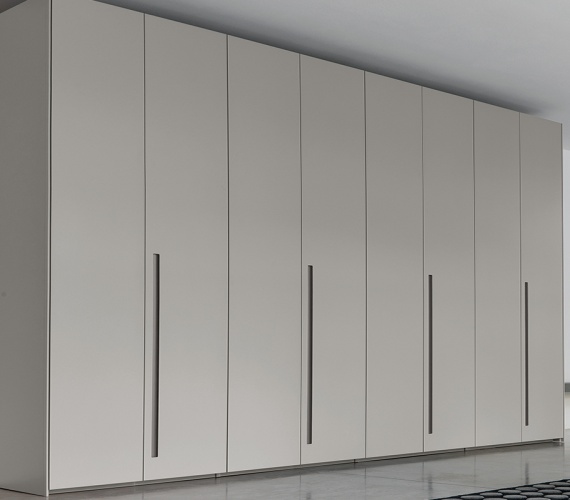
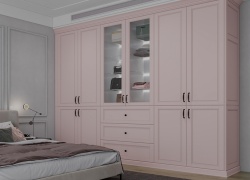
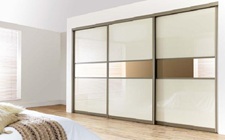
- Architectural Door Profiles: Choose between seamless handleless J-pull profiles, traditional Shaker frames, or high-performance sliding mechanisms suitable for tight circulation areas.
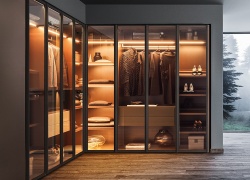
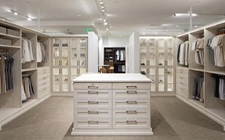
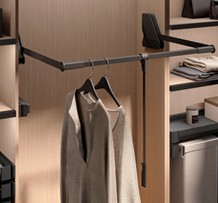
- Specialized Internal Storage: Integrate motorized drop-down wardrobe rails, pull-out trouser racks, concealed vanity drawers, and partitioned jewelry inserts.
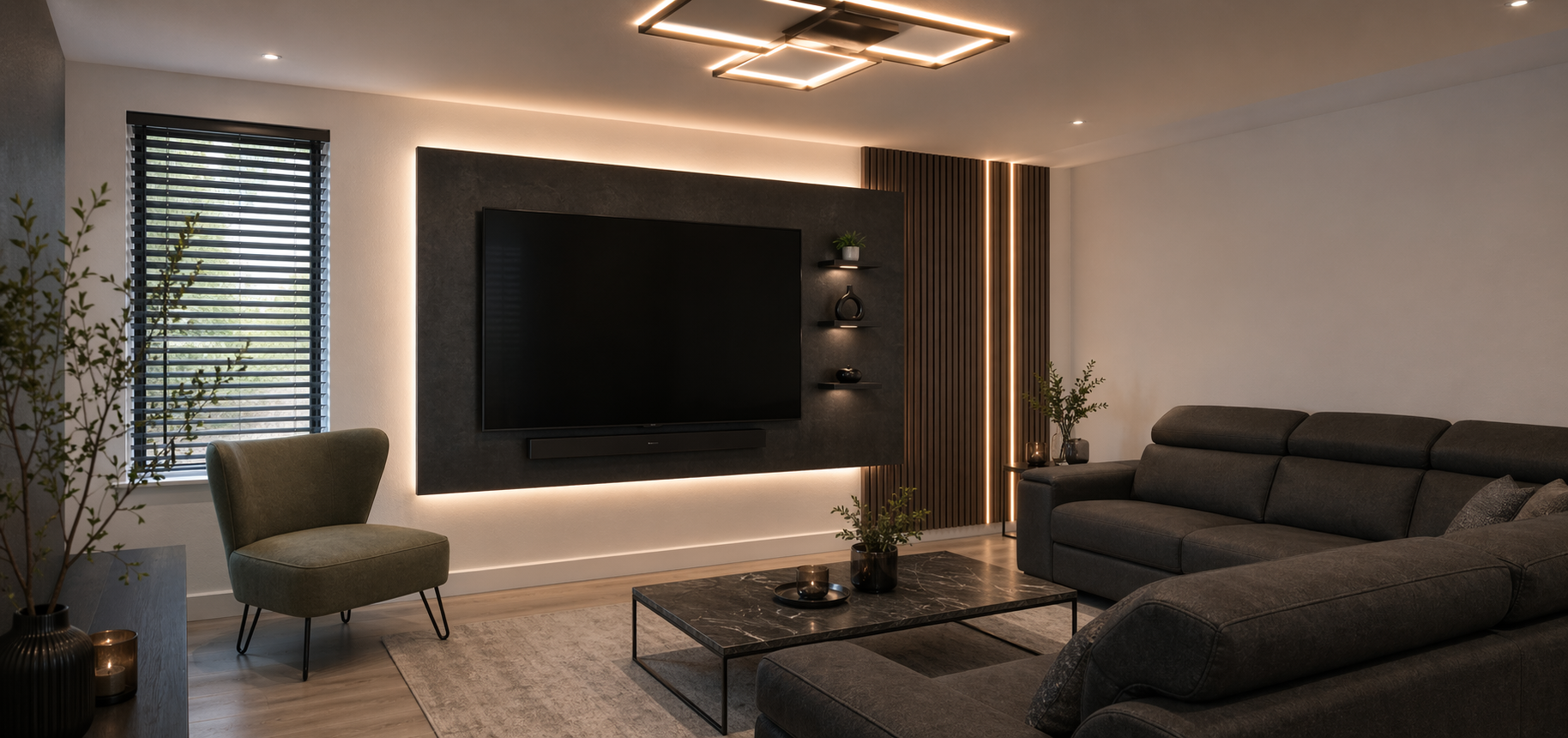
- Concealed Wire Paths: Embed electrical channels for integrated warm 2700K LED accent strips, motorized monitor lifts, or wireless inductive smartphone charging pads.
The Manufacturing Process and Delivery Timelines
Constructing made-to-measure cabinetry requires a sequential engineering workflow to guarantee that on-site assembly proceeds smoothly without unexpected modifications:
- Survey & Spatial CAD Drafting (1–2 Weeks): Detailed digital site laser scans record wall deviations, socket placements, and ceiling level variations to finalize structural working drawings.
- Workshop Machining & CNC Processing (1–2 Weeks): Carcasses, doors, and shelves are cut on computer-controlled routers to precise tolerances, followed by edge banding.
- Surface Finishing & Spray Lacquering (1 Week): Components receive multi-coat polyurethane primer and durable, low-VOC color coats within temperature-controlled spray booths.
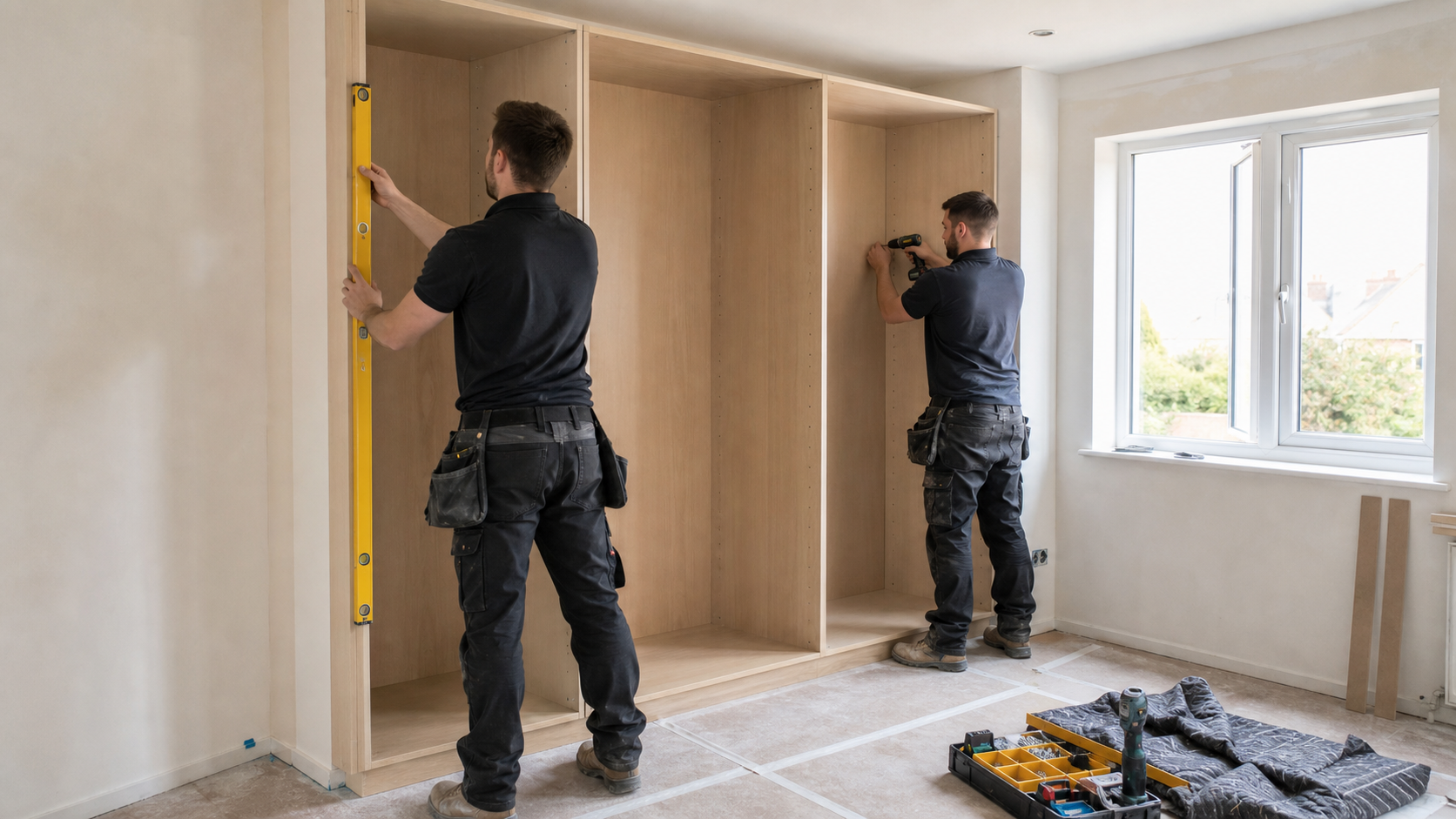
- Dry-Fitting & Installation (1–4 Days): Master joiners dry-fit hardware off-site before completing the clean final on-site installation, including precision scribing to your room's exact contours.
The typical end-to-end timeline ranges between 4 to 6 weeks, ensuring your furniture fits smoothly and performs dependably for decades.
Cost Analysis: Long-Term Value vs Upfront Investment
Off-the-shelf flat packs often seem economical at first glance, but their rapid wear-and-tear cycles, sag-prone shelves, and non-repairable paper foils lead to frequent replacement costs.
While made-to-measure cabinetry carries an initial premium of approximately 10% to 20% over premium mass-produced modular setups, it returns 20% to 50% greater value over its working life. High-density carcasses do not bow under heavy book or wardrobe loads, and solid joinery components can be easily sanded, re-sprayed, or fitted with new doors down the road without replacing the underlying structural frame.
Design Your Custom Made-to-Measure Furniture
Collaborate directly with our experienced CAD joinery designers to maximize your available space and receive an itemized, fixed-price proposal.
Book Your Design ConsultationFrequently Asked Questions
Made-to-measure furniture is custom-designed and manufactured cabinetry built to fit the precise millimeter dimensions, structural contours, and lifestyle requirements of a specific room, ensuring optimal spatial efficiency and seamless aesthetic integration.
Made-to-measure furniture is built with high-density materials like 18mm moisture-resistant MDF or hardwoods to exact room tolerances. Off-the-shelf modular options rely on standardized 15mm chipboard widths that leave dead spaces and require infill strips.
The primary advantages are complete space utilization (recovering up to 40% more storage volume), customized ergonomic layouts, long-term durability using professional joinery hardware, and measurable equity additions to residential properties.
Yes. Custom joinery adapts to challenging architecture—including angled attic eaves, period chimney breasts, uneven Victorian walls, and high ceilings—while offering complete control over colors, internal layouts, and hardware fittings.
The entire production timeline typically spans 4 to 6 weeks from finalized CAD layouts, including precision workshop CNC machining, surface lacquering, and dry assembly, though specialized projects can run 4 to 12 weeks depending on complexity.
Yes. While initial production costs may run 10% to 20% higher than generic furniture, custom joinery delivers 20% to 50% higher long-term financial value through an extended 25-plus year operational lifespan and measurable property equity enhancements.
Common myths suggest that custom joinery is only suited for luxury mansions or takes excessive time to design. In reality, bespoke furniture solves compact urban storage issues in small flats just as effectively, using streamlined 3D CAD modeling to keep projects running on schedule.