






 GET QUOTE
Home / Editorial / Premium Materials for Bespoke Media Walls: The Architectural Guide

20 Sep 2026
Premium Materials for Bespoke Media Walls: The Architectural Guide
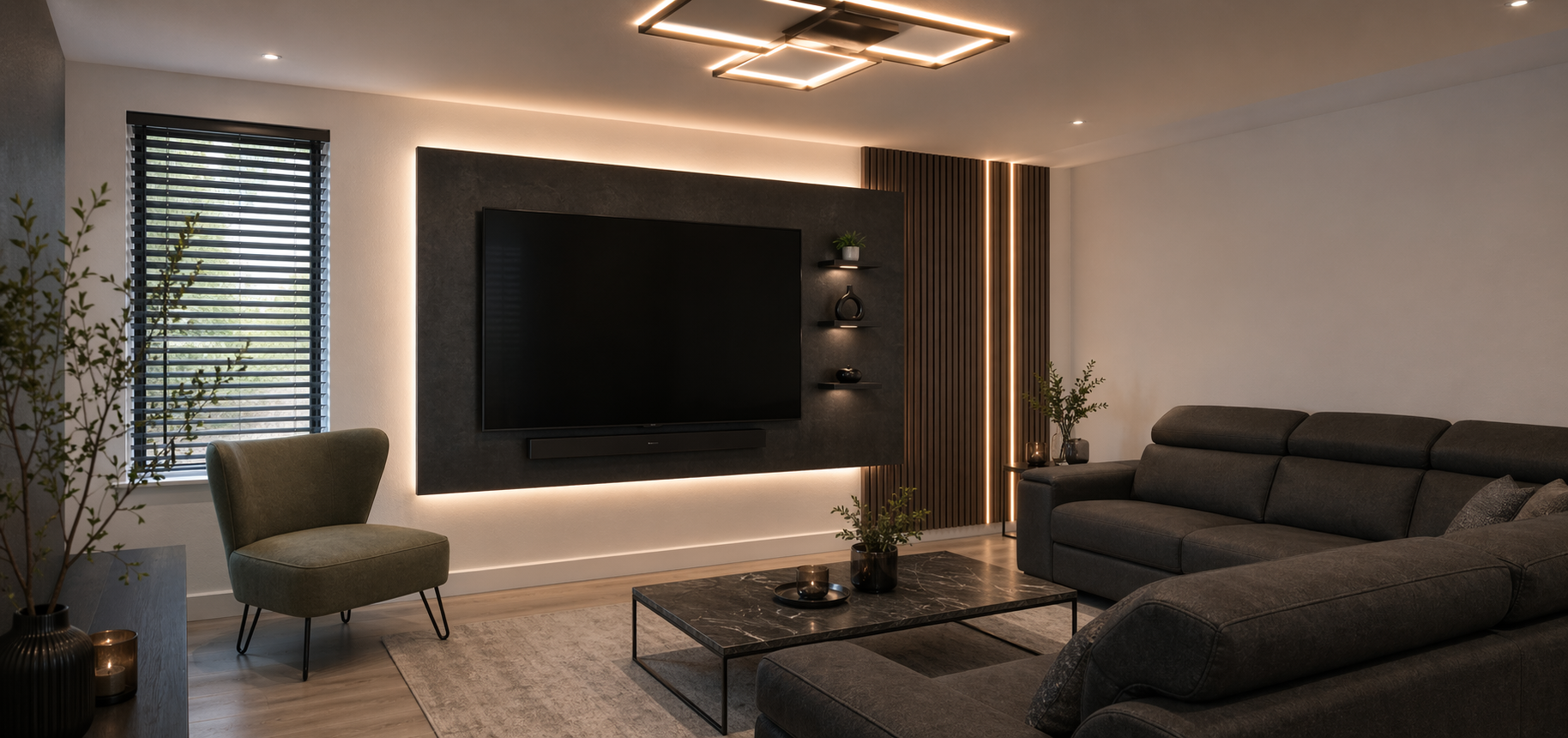
As you step into the world of bespoke media walls, you're likely to be drawn to the allure of premium materials that elevate your space from mere functionality to a stunning work of art. A bespoke media wall is more than just a collection of screens and devices – it's a carefully curated experience that reflects your personal style, sophistication, and attention to detail. But what sets a truly exceptional media wall apart from the rest? The answer lies in the quality and craftsmanship of the materials used to bring it to life.
Introduction to Bespoke Media Walls and Premium Materials
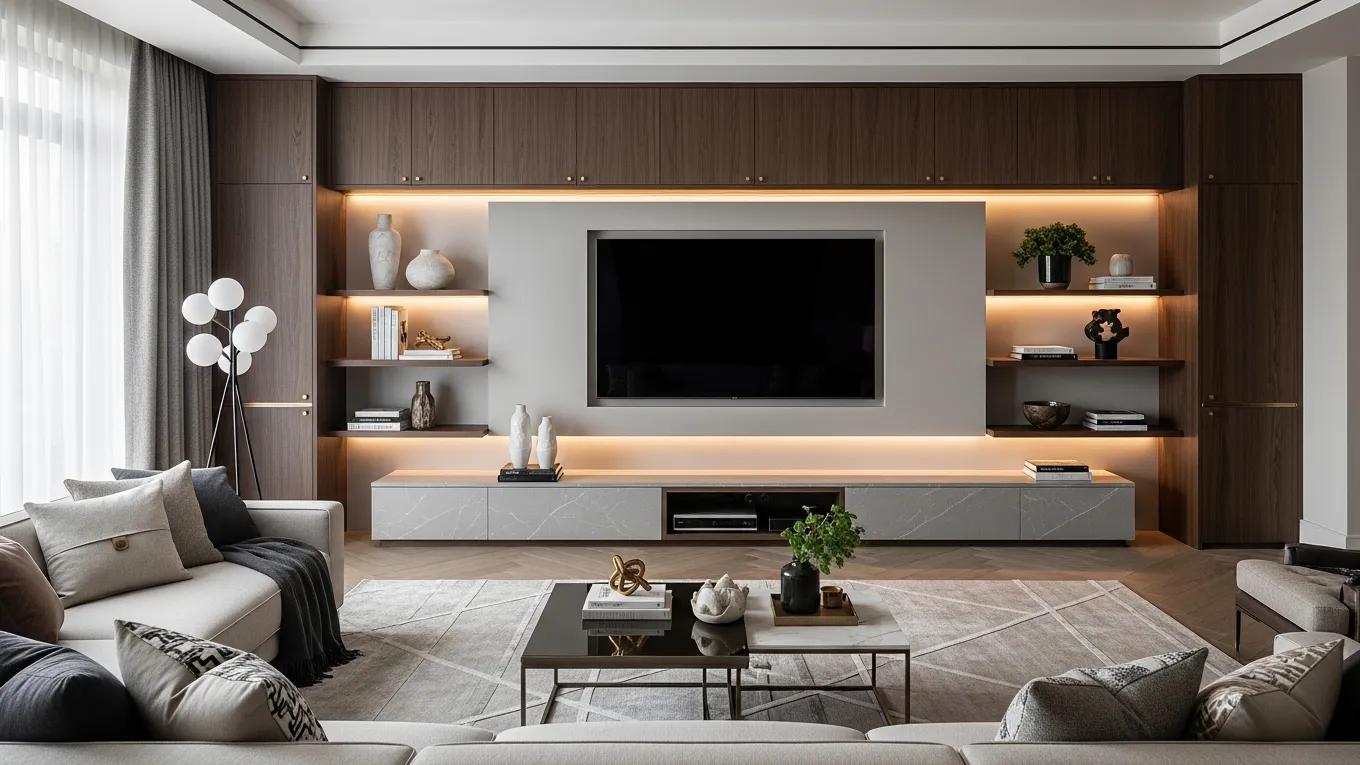
A bespoke media wall is a carefully crafted, one-of-a-kind installation that seamlessly integrates technology, design, and functionality to create a truly immersive experience. It's a statement piece that reflects your personality, style, and sophistication, elevating your living or working space from ordinary to extraordinary.
At its core, a bespoke media wall is a bespoke solution – tailored to your specific needs, preferences, and lifestyle. Whether you're a homeowner, entrepreneur, or entertainer, a bespoke media wall is designed to provide an unparalleled level of convenience, comfort, and enjoyment.
So, what makes a bespoke media wall truly exceptional? The answer lies in the quality and craftsmanship of the materials used to bring it to life. Premium materials are the foundation upon which a bespoke media wall is built, and they play a crucial role in determining the overall aesthetic, durability, and performance of the installation.
From sleek glass and metal to rich wood and stone, premium materials offer a world of possibilities for creating a truly unique and breathtaking media wall. Not only do they provide a high level of visual appeal, but they also contribute to a more immersive and engaging experience, making your media wall a true showstopper in any room.
In the following sections, we'll delve into the world of premium materials for bespoke media walls, exploring the benefits, drawbacks, and design considerations of each material. We'll also provide tips and case studies to help you choose the right material for your project, ensuring that your bespoke media wall is a true reflection of your style and sophistication.
Overview of Popular Premium Materials for Media Walls
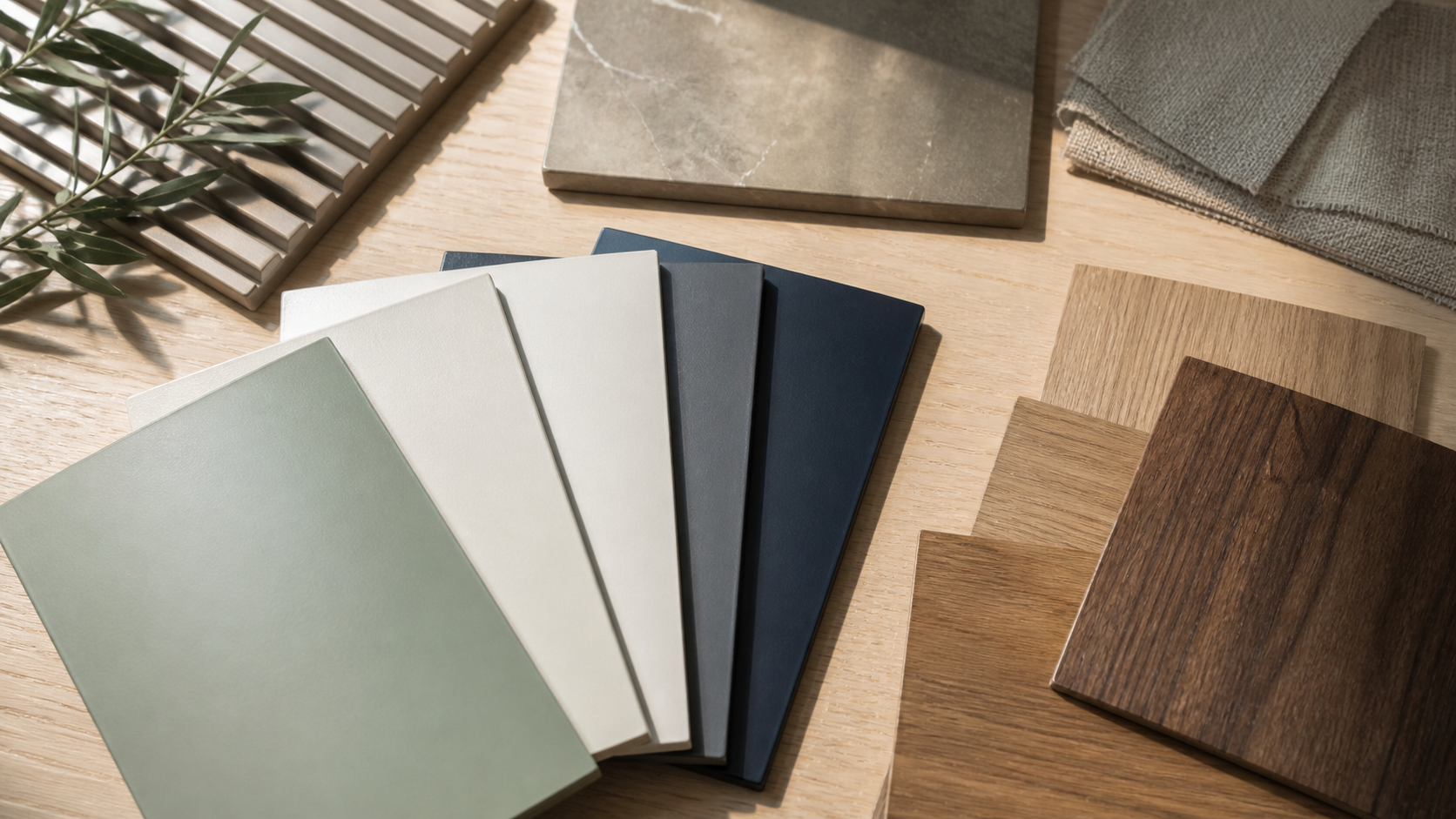
When it comes to crafting a bespoke media wall, the choice of premium materials is crucial in determining the overall aesthetic and functionality of the space. Here's a brief overview of some of the most popular premium materials used in media wall design:
Glass Materials for Media Walls
Glass is a popular choice for media walls due to its sleek, modern look and exceptional durability. Tempered glass, in particular, offers enhanced strength and safety features, making it an excellent option for high-traffic areas. Glass materials can be customised with various finishes, such as etched or frosted glass, to create a unique visual effect.
- Benefits: Sleek appearance, durability, and ease of maintenance
- Drawbacks: Can be expensive, may require additional support for heavy screens
- Design Considerations: Consider the weight and size of the glass panels, as well as the necessary support structure to ensure stability
Metal Materials for Media Walls
Metal materials, such as aluminum or steel, offer a modern, industrial look that can add a touch of sophistication to any room. Metal media walls can be designed with a range of finishes, from polished chrome to brushed stainless steel, to suit various interior design styles. Metal materials are also highly durable and resistant to scratches and corrosion.
- Benefits: Durable, resistant to scratches and corrosion, and easy to clean
- Drawbacks: Can be heavy, may require additional support for large screens
- Design Considerations: Consider the thickness and weight of the metal panels, as well as the necessary support structure to ensure stability
Wood Materials for Media Walls
Wood materials, such as reclaimed wood or solid hardwood, offer a warm, organic look that can add a touch of coziness to any room. Wood media walls can be designed with a range of finishes, from natural wood tones to stained or painted finishes, to suit various interior design styles. Wood materials are also highly durable and resistant to scratches and dents.
- Benefits: Warm, organic look, durable, and resistant to scratches and dents
- Drawbacks: May require additional maintenance, can be prone to warping or cracking
- Design Considerations: Consider the type of wood, finish, and necessary support structure to ensure stability and durability
Stone Materials for Media Walls
Stone materials, such as marble or granite, offer a luxurious, high-end look that can add a touch of sophistication to any room. Stone media walls can be designed with a range of finishes, from polished to honed, to suit various interior design styles. Stone materials are also highly durable and resistant to scratches and corrosion.
- Benefits: Luxurious, high-end look, durable, and resistant to scratches and corrosion
- Drawbacks: Can be expensive, may require additional support for heavy screens
- Design Considerations: Consider the weight and size of the stone panels, as well as the necessary support structure to ensure stability
In-Depth Analysis of Each Material
Benefits, Drawbacks, and Design Considerations for Each Material
When it comes to choosing the perfect material for your bespoke media wall, each option has its unique set of benefits, drawbacks, and design considerations. Let's dive deeper into the pros and cons of each material to help you make an informed decision.
Glass Materials for Media Walls
Glass is a popular choice for media walls due to its sleek, modern aesthetic and ability to add a touch of sophistication to any room. The benefits of glass materials for media walls include:
- Clarity and Transparency: Glass provides an unobstructed view, allowing you to appreciate the beauty of the room while still enjoying your media experience.
- Easy Maintenance: Glass is simple to clean and maintain, making it a great choice for busy households.
- Durability: Glass is resistant to scratches and fading, ensuring your media wall remains looking great for years to come.
However, glass materials for media walls also have some drawbacks to consider:
- Breakability: Glass is prone to breakage, which can be a concern for households with young children or pets.
- Cost: High-quality glass materials can be expensive, making them less accessible to budget-conscious homeowners.
When designing with glass materials, consider the following:
- Frame Selection: Choose a frame that complements the style of your room and adds an extra layer of protection to the glass.
- Mounting Options: Consider using a mounting system that allows for easy removal and replacement of the glass panels.
Metal Materials for Media Walls
Metal materials, such as aluminum or steel, offer a modern, industrial look that can add a touch of edginess to any room. The benefits of metal materials for media walls include:
- Strength and Durability: Metal is incredibly strong and resistant to damage, making it a great choice for busy households.
- Easy Installation: Metal materials are often lightweight and easy to install, reducing the need for professional assistance.
- Cost-Effectiveness: Metal materials can be more affordable than glass or stone, making them a budget-friendly option.
However, metal materials for media walls also have some drawbacks to consider:
- Rust and Corrosion: Metal can rust or corrode over time, which can compromise its structural integrity.
- Noise and Echoes: Metal materials can amplify noise and create echoes, which can be distracting.
When designing with metal materials, consider the following:
- Finish and Coating: Choose a finish or coating that protects the metal from rust and corrosion.
- Soundproofing: Consider adding soundproofing materials to reduce noise and echoes.
Wood Materials for Media Walls
Wood materials, such as reclaimed or solid wood, offer a warm, organic look that can add a touch of coziness to any room. The benefits of wood materials for media walls include:
- Natural Beauty: Wood is a natural, organic material that adds warmth and character to any room.
- Durability: Wood is resistant to scratches and fading, ensuring your media wall remains looking great for years to come.
- Sustainability: Wood is a renewable resource, making it a more sustainable choice than glass or metal.
However, wood materials for media walls also have some drawbacks to consider:
- Maintenance: Wood requires regular maintenance to keep it looking its best, which can be time-consuming.
- Pest and Rot Issues: Wood is susceptible to pest and rot issues, which can compromise its structural integrity.
When designing with wood materials, consider the following:
- Finishing and Sealing: Choose a finish or sealant that protects the wood from pests and rot.
- Moisture Control: Consider adding moisture-control measures to prevent warping or cracking.
Stone Materials for Media Walls
Stone materials, such as marble or granite, offer a luxurious, high-end look that can add a touch of sophistication to any room. The benefits of stone materials for media walls include:
- Durability: Stone is incredibly durable and resistant to scratches and fading.
- Natural Beauty: Stone is a natural, organic material that adds warmth and character to any room.
- Sustainability: Stone is a renewable resource, making it a more sustainable choice than glass or metal.
However, stone materials for media walls also have some drawbacks to consider:
- Weight and Installation: Stone is incredibly heavy, making it difficult to install and requiring professional assistance.
- Cost: High-quality stone materials can be expensive, making them less accessible to budget-conscious homeowners.
When designing with stone materials, consider the following:
- Support and Anchoring: Choose a support system that can handle the weight of the stone.
- Sealing and Maintenance: Consider sealing the stone to protect it from stains and spills, and regular maintenance to keep it looking its best.
Tips for Choosing the Right Material for Your Media Wall
Choosing the Right Material for Your Media Wall: Tips and Considerations
When selecting the perfect material for your bespoke media wall, several factors come into play. To ensure that your investment stands the test of time, consider the following key aspects:
Durability and Lifespan
- Assess your lifestyle: If you have young children or pets, you may want to opt for materials that are resistant to scratches and spills, such as glass or metal.
- Consider the environment: If you live in an area prone to extreme temperatures, humidity, or natural disasters, choose materials that can withstand these conditions, like stone or metal.
- Think about the future: If you plan to keep your media wall for an extended period, select materials that are durable and can withstand the wear and tear of time, such as wood or glass.
Maintenance and Upkeep Requirements
- Easy cleaning: If you prefer a low-maintenance media wall, opt for materials with smooth surfaces that can be easily wiped clean, like glass or metal.
- Regular polishing: If you choose a material that requires regular polishing, such as wood, consider the time and effort involved in maintaining its appearance.
- Specialized cleaning products: If you select a material that requires specialized cleaning products, factor in the cost and accessibility of these products when making your decision.
Cost-Effectiveness and Availability
- Budget constraints: If you have a limited budget, consider materials that offer a balance of quality and affordability, such as wood or metal.
- Availability and sourcing: If you prefer to source materials locally, choose options that are readily available in your area, like stone or glass.
- Long-term value: If you're willing to invest in a premium material that may be more expensive upfront, consider the long-term value and potential return on investment, such as high-end glass or metal.
By carefully weighing these factors, you'll be well on your way to selecting the perfect material for your bespoke media wall that meets your needs, lifestyle, and design aesthetic.
Case Studies and Examples of Successful Bespoke Media Wall Projects
Conclusion and Final Recommendations
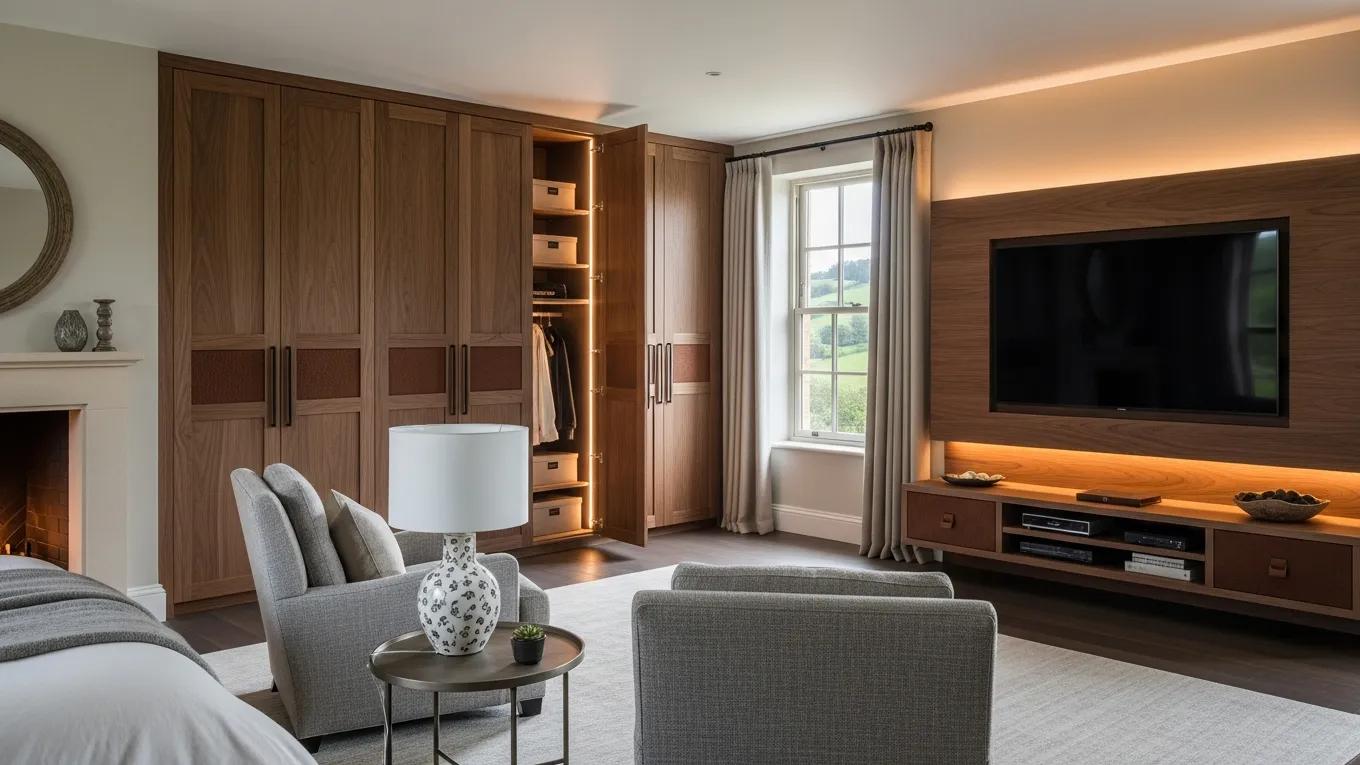
As you embark on your bespoke media wall journey, it's essential to remember that the right materials can make all the difference between a functional space and a truly exceptional one. In this article, we've explored the world of premium materials, from glass and metal to wood and stone, and highlighted the benefits and drawbacks of each.
When it comes to incorporating premium materials into your home decor, there are a few key takeaways to keep in mind. Firstly, working with a professional designer or installer can make all the difference in bringing your vision to life. They can help you navigate the complexities of sustainable design, ensure that your materials are sourced responsibly, and provide expert guidance on installation and maintenance.
Secondly, technology and innovation are playing an increasingly important role in sustainable design and media wall construction. From energy-efficient LED lighting to cutting-edge materials that reduce waste and minimise environmental impact, there are countless ways to create a bespoke media wall that not only looks stunning but also does good for the planet.
Lastly, considerations for fitting built in TV media walls are also a crucial aspect of the design process. In an era where sustainability and social responsibility are increasingly important, a well-designed media wall can be a powerful statement about your commitment to the environment and your community.
In conclusion, incorporating premium materials into your home decor is a decision that requires careful consideration and research. By choosing sustainable materials, working with professional designers and installers, and embracing the latest technological innovations, you can create a bespoke media wall that's not only a stunning work of art but also a reflection of your values and commitment to the environment.
Conclusion and Final Recommendations
As you embark on your bespoke media wall journey, it's essential to remember that the right materials can make all the difference between a functional space and a truly exceptional one. In this article, we've explored the world of premium materials, from glass and metal to wood and stone, and highlighted the benefits and drawbacks of each.
When it comes to incorporating premium materials into your home decor, there are a few key takeaways to keep in mind. Firstly, working with a professional designer or installer can make all the difference in bringing your vision to life. They can help you navigate the complexities of sustainable design, ensure that your materials are sourced responsibly, and provide expert guidance on installation and maintenance.
Secondly, technology and innovation are playing an increasingly important role in sustainable design and media wall construction. From energy-efficient LED lighting to cutting-edge materials that reduce waste and minimise environmental impact, there are countless ways to create a bespoke media wall that not only looks stunning but also does good for the planet.
Lastly, bespoke media walls are not just a luxury item – they're also a reflection of your personal style and values. In an era where sustainability and social responsibility are increasingly important, a well-designed media wall can be a powerful statement about your commitment to the environment and your community.
In conclusion, incorporating premium materials into your home decor is a decision that requires careful consideration and research. By choosing sustainable materials, working with professional designers and installers, and embracing the latest technological innovations, you can create a bespoke media wall that's not only a stunning work of art but also a reflection of your values and commitment to the environment.
FAQs and Mistakes to Avoid
As you embark on the journey of creating a bespoke media wall, it's natural to have questions and concerns. Here, we address some of the most common queries and pitfalls to help you navigate the process with confidence.
Common Questions About Bespoke Media Walls
-
Q: What is the ideal size for a media wall? A: The size of your media wall will depend on the space available, the number of devices you plan to display, and the aesthetic you're aiming for. Consider consulting with a professional designer to determine the optimal size for your space.
-
Q: Can I use a standard TV mount for my bespoke media wall? A: While standard TV mounts can work for some media walls, they may not provide the necessary stability and customisation for a bespoke installation. Consider investing in a high-quality, bespoke TV mount designed specifically for your media wall.
-
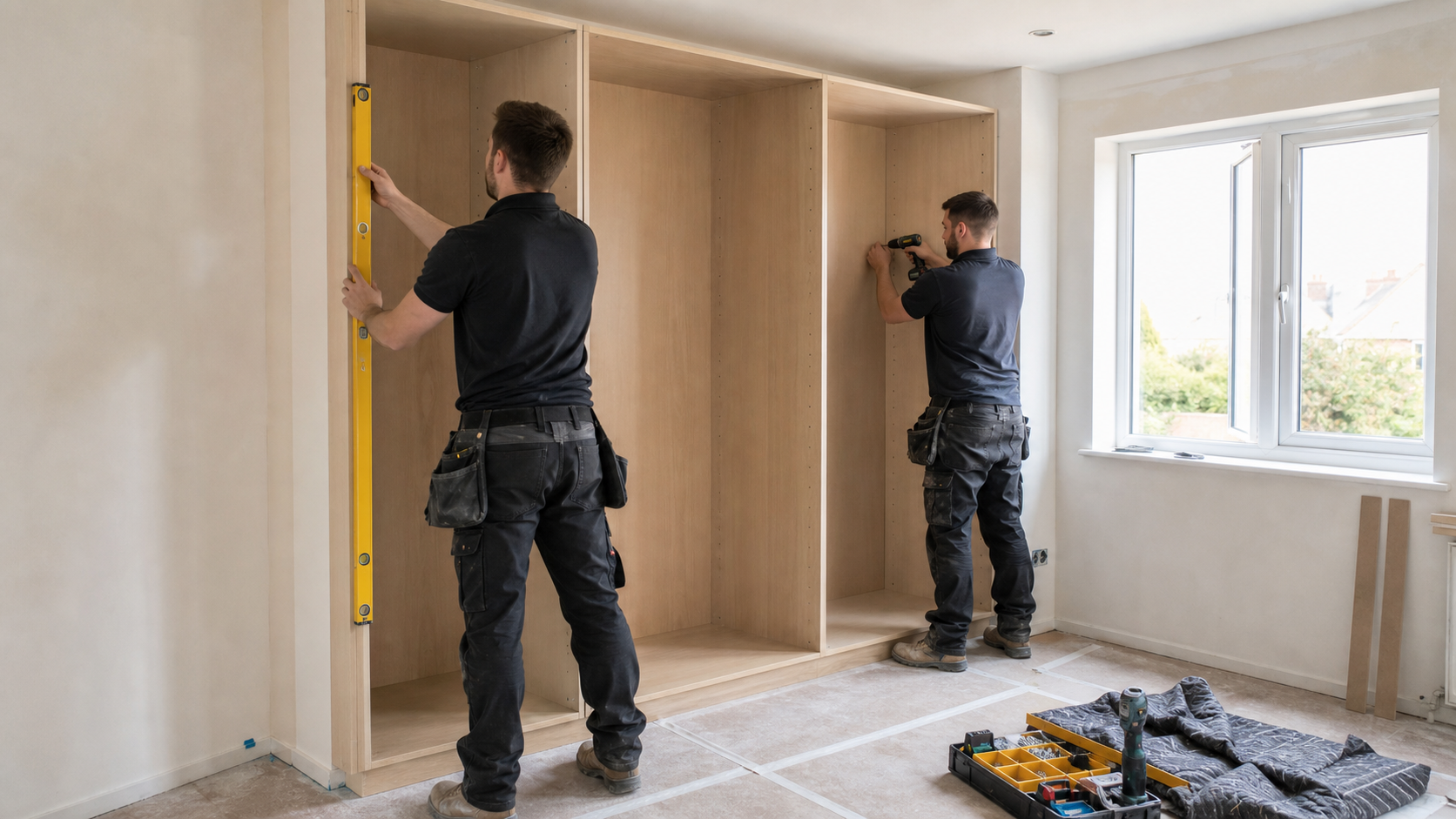
Q: How do I ensure my media wall is level and secure? A: To guarantee a level and secure media wall, invest in a high-quality level and ensure that all devices are properly secured to the wall using the recommended fastening systems.
-
Q: Can I incorporate lighting into my media wall? A: Yes, lighting can be a fantastic addition to your media wall, enhancing the ambiance and visual appeal. Consider consulting with a lighting designer to determine the best lighting solution for your space.
Mistakes to Avoid When Choosing Materials for Your Media Wall
-
Mistake: Choosing materials solely based on price. A: While budget is an essential consideration, don't sacrifice quality and durability for the sake of saving a few dollars. Invest in materials that will stand the test of time and provide a high-quality finish.
-
Mistake: Failing to consider the maintenance requirements of your materials. A: Some materials may require more maintenance than others. Ensure you choose materials that fit your lifestyle and maintenance schedule.
-
Mistake: Ignoring the environmental impact of your materials. A: With the growing importance of sustainability, consider eco-friendly materials that minimise waste and reduce your carbon footprint.
-
Mistake: Not consulting with a professional designer or installer. A: A professional designer or installer can provide valuable insights and expertise to ensure your media wall is designed and installed to perfection.
Checklist for Choosing the Right Material for Your Media Wall
-
Consider the durability and lifespan of the material.
-
Think about the maintenance requirements of the material.
-
Assess the environmental impact of the material.
-
Consult with a professional designer or installer.
-
Research the material's aesthetic appeal and versatility.
-
Consider the cost-effectiveness and availability of the material.
Comparison of Premium Materials for Media Walls
When it comes to creating a bespoke media wall, the choice of material is crucial in determining the overall aesthetic, durability, and functionality of the space. In this section, we'll delve into a comprehensive comparison of the most popular premium materials for media walls: glass, metal, wood, and stone.
Comparison of Glass, Metal, Wood, and Stone Materials
Each of these materials has its unique benefits and drawbacks, which are essential to consider when making a decision.
Glass Materials for Media Walls
- Pros: Glass is a sleek and modern material that adds a touch of sophistication to any space. It's also easy to clean and maintain, making it perfect for high-traffic areas.
- Cons: Glass can be expensive, and its fragility makes it prone to breakage. Additionally, it may not be suitable for areas with high humidity or extreme temperatures.
- Design Considerations: Glass media walls can be designed to be frameless, providing an unobstructed view of the screens and devices. This style is particularly popular in modern and minimalist decor.
Metal Materials for Media Walls
- Pros: Metal is a durable and versatile material that can be designed to fit any style or theme. It's also resistant to scratches and fading.
- Cons: Metal can be heavy, making it challenging to install, and it may not be suitable for areas with high humidity or moisture.
- Design Considerations: Metal media walls can be designed to resemble a modern art piece, with clean lines and geometric shapes. This style is particularly popular in industrial and contemporary decor.
Wood Materials for Media Walls
- Pros: Wood is a natural and warm material that adds a touch of coziness to any space. It's also relatively affordable and easy to install.
- Cons: Wood can be prone to scratches and fading, and it may require regular maintenance to maintain its appearance.
- Design Considerations: Wood media walls can be designed to resemble a traditional cabin or a modern statement piece. This style is particularly popular in rustic and bohemian decor.
Stone Materials for Media Walls
- Pros: Stone is a durable and luxurious material that adds a touch of elegance to any space. It's also resistant to scratches and fading.
- Cons: Stone can be expensive, and its weight makes it challenging to install. Additionally, it may require regular sealing to maintain its appearance.
- Design Considerations: Stone media walls can be designed to resemble a natural rock formation, with a rough and textured finish. This style is particularly popular in modern and minimalist decor.
Comparison of Sustainable and Traditional Materials
When it comes to creating a bespoke media wall, sustainability is a crucial factor to consider. Traditional materials like glass, metal, and stone can be resource-intensive and contribute to environmental degradation. In contrast, sustainable materials like reclaimed wood, bamboo, and low-VOC paints can help reduce the carbon footprint of your media wall.
- Sustainable Materials: Reclaimed wood, bamboo, low-VOC paints, and recycled glass are just a few examples of sustainable materials that can be used in media wall construction.
- Traditional Materials: Glass, metal, and stone are traditional materials that are widely used in media wall construction, but they may not be as sustainable as their sustainable counterparts.
Comparison of DIY and Professional Installation Options
When it comes to installing a media wall, you have two options: DIY or professional installation. While DIY installation can be cost-effective, it may not provide the same level of quality and expertise as a professional installation.
- DIY Installation: DIY installation involves purchasing pre-fabricated media wall kits and installing them yourself. This option is cost-effective but may require significant time and effort.
- Professional Installation: Professional installation involves hiring a team of experts to design and install your media wall. This option provides a high level of quality and expertise but may be more expensive.
In conclusion, the choice of material and installation option for your media wall depends on your personal preferences, budget, and design goals. By considering the pros and cons of each material and installation option, you can create a bespoke media wall that meets your needs and exceeds your expectations.
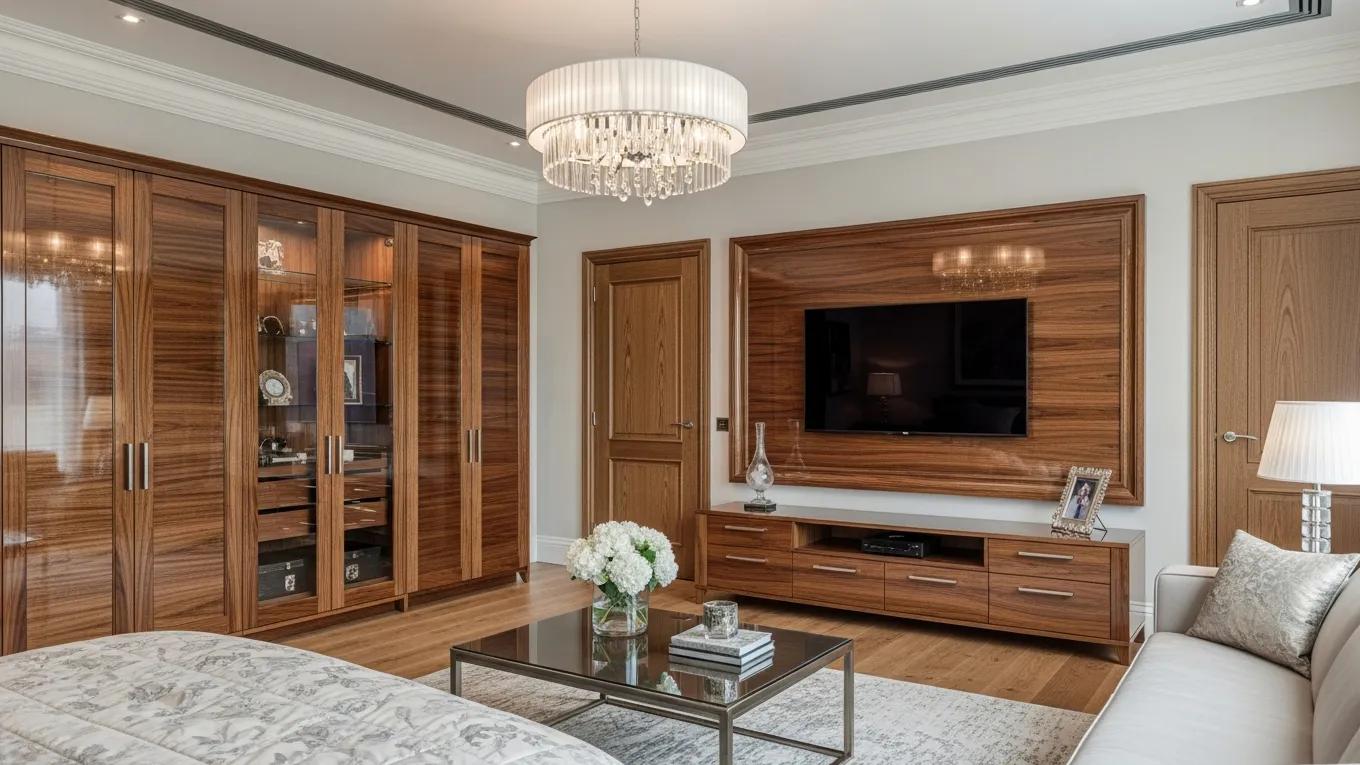
Incorporating Premium Materials into Your Home Decor
When it comes to incorporating premium materials into your home decor, the possibilities are endless. A bespoke media wall is a unique opportunity to showcase your personal style and create a space that reflects your individuality. Here are some expert tips to help you seamlessly integrate premium materials into your home decor:
-
Balance and Harmony: When working with premium materials, it's essential to strike a balance between aesthetics and functionality. Consider the colour palette, texture, and overall flow of your space to create a harmonious and visually appealing environment.
-
Ergonomics and Comfort: Don't forget about the importance of ergonomics and comfort when selecting premium materials for your media wall. Choose materials that promote relaxation and well-being, such as natural woods or sustainable glass, to create a cozy and inviting atmosphere.
-
Lighting Magic: Lighting plays a crucial role in enhancing the aesthetic and ambiance of a media wall. Consider incorporating LED lighting or backlit glass to create a dramatic and eye-catching effect. This will not only add visual interest but also highlight the premium materials you've chosen.
-
Mix and Match: Don't be afraid to mix and match different premium materials to create a unique and eclectic look. Combine glass, metal, wood, or stone to add depth and visual interest to your space.
-
Consider the Surroundings: Finally, don't forget to consider the surroundings of your media wall. Choose materials that complement the existing decor and architecture of your space to create a cohesive and harmonious environment.
By following these expert tips, you'll be able to seamlessly integrate premium materials into your home decor and create a truly one-of-a-kind media wall that reflects your personal style and sophistication.
DIY Media Wall Projects and Tutorials
DIY Media Wall Projects and Tutorials: Bringing Bespoke Luxury to Your Home
While working with a professional designer or installer can yield exceptional results, many homeowners and DIY enthusiasts are eager to take on the challenge of creating a bespoke media wall on their own. With the right guidance and resources, you can achieve a stunning and functional media wall that reflects your personal style, all while staying within your budget.
Tips for Creating a Bespoke Media Wall on a Budget
- Plan Ahead: Before starting your project, take the time to visualize your media wall and its components. Consider the size, shape, and layout of your space, as well as the materials and features you want to include. A well-planned design will help you stay on track and avoid costly mistakes.
- Choose Affordable Materials: While premium materials can be expensive, there are many affordable options available that can still deliver high-quality results. Consider using reclaimed wood, repurposed glass, or other eco-friendly materials to add a touch of luxury to your media wall without breaking the bank.
- Get Creative with Lighting: Lighting can make or break the ambiance of your media wall. Consider using LED strips, pendant lights, or other creative lighting solutions to add depth and visual interest to your space.
- DIY Installation Options: If you're comfortable with a hammer and nails, consider installing your media wall components yourself. This can save you money on labor costs and give you a sense of accomplishment as you bring your design to life.
DIY Installation Options for Media Walls
- Wall-Mounted Media Wall: A wall-mounted media wall is a great option for those with limited floor space. Use a sturdy bracket or shelf to hold your screens and devices, and add decorative trim or molding to create a seamless look.
- Freestanding Media Wall: A freestanding media wall can be a beautiful addition to any room. Use a sturdy base or legs to support your media wall, and add decorative elements like glass or metal accents to create a unique look.
- Hidden Media Wall: For a truly bespoke look, consider hiding your media wall components behind a decorative screen or panel. This can add a touch of elegance and sophistication to your space, while also keeping your electronics out of sight.
Resources for Learning More About Media Wall Design and Installation
- Online Tutorials: Websites like YouTube, Pinterest, and Houzz offer a wealth of DIY tutorials and guides on media wall design and installation.
- Home Improvement Stores: Visit your local home improvement store for expert advice and guidance on choosing the right materials and components for your media wall.
- Professional Associations: Look for professional associations like the National Kitchen and Bath Association (NKBA) or the American Society of Interior Designers (ASID) for resources and guidance on media wall design and installation.
- DIY Communities: Join online DIY communities like Reddit's r/DIY or r/HomeImprovement for advice and support from fellow DIY enthusiasts.
By following these tips and resources, you can create a bespoke media wall that reflects your personal style and sophistication, all while staying within your budget. Happy building!
FAQs
What are the best premium materials for bespoke media walls?
The best premium materials for bespoke media walls include glass, metal, wood, and stone. Each material offers unique benefits, such as durability, aesthetics, and sustainability, making them ideal for high-end design projects.
How do I choose the right material for my media wall?
When choosing a material for your media wall, consider factors such as durability, maintenance, and cost-effectiveness. It's also essential to think about the aesthetic and design considerations that will enhance the overall look and feel of your space.
What are the benefits of using premium materials for media walls?
Premium materials for media walls offer several benefits, including increased durability, improved aesthetics, and enhanced sustainability. They can also increase the value of your home and provide a unique design statement that sets you apart from others.
Can I use premium materials for a DIY media wall project?
While it's possible to use premium materials for a DIY media wall project, it's essential to consider the complexity of the project and your level of expertise. If you're unsure, it's recommended to consult a professional designer or installer for guidance.
How do I incorporate premium materials into my home decor?
To incorporate premium materials into your home decor, consider the overall aesthetic and design style of your space. You can also think about the functional aspects of the material, such as its durability and maintenance requirements, to ensure it meets your needs.
What are the most sustainable premium materials for media walls?
Some of the most sustainable premium materials for media walls include reclaimed wood, low-carbon glass, and recycled metal. These materials offer a unique combination of aesthetics and eco-friendliness, making them ideal for high-end design projects.
Can I mix and match different premium materials for my media wall?
Yes, you can mix and match different premium materials for your media wall to create a unique and visually appealing design. However, it's essential to consider the compatibility of the materials and how they will work together to achieve the desired aesthetic.
How do I ensure the longevity of my premium media wall?
To ensure the longevity of your premium media wall, consider factors such as maintenance, upkeep, and durability. Regular cleaning and maintenance can also help extend the lifespan of your media wall and keep it looking its best.