







 GET QUOTE
Home / Editorial / How to Design the Perfect Fitted Wardrobe: The Architectural Guide

03 Sep 2026
How to Design the Perfect Fitted Wardrobe: The Architectural Guide
As we navigate the complexities of modern life, our homes often become a reflection of our inner selves - a space that's both a sanctuary and a source of stress. One area that can greatly impact our daily lives is the fitted wardrobe, a space that's often overlooked but plays a crucial role in our emotional and psychological well-being. Think about it - when was the last time you opened your closet and felt a sense of joy and tranquility? Or perhaps you've found yourself feeling overwhelmed and stressed every time you step into your wardrobe, trying to navigate through a cluttered mess of clothes and accessories. A well-designed fitted wardrobe can transform this experience, providing a sense of organisation, efficiency, and peace of mind that can have a ripple effect on other areas of our lives.
In this article, we'll delve into the emotional and psychological benefits of a well-designed fitted wardrobe, exploring how it can improve our mental health, boost self-confidence, and enhance our overall well-being. We'll also provide practical tips and advice on creating a customised and functional space that suits your needs and preferences, from assessing your needs and preferences to incorporating personal style and taste into your design. Whether you're a busy professional, a busy parent, or simply someone looking to create a more peaceful living environment, this article will guide you through the process of designing the perfect fitted wardrobe for you.
The Emotional and Psychological Benefits of a Well-Designed Fitted Wardrobe
A well-designed fitted wardrobe is more than just a practical storage solution - it's a haven for our emotional and psychological well-being. By creating a space that's tailored to our needs and preferences, we can experience a profound impact on our mental health, self-confidence, and overall quality of life. Reducing Stress and Improving Mental Health The cluttered closet can be a breeding ground for anxiety and stress. When we're surrounded by chaos, it's easy to feel overwhelmed and uncertain. A well-designed fitted wardrobe, on the other hand, provides a sense of calm and control. By organising our belongings and creating a peaceful space, we can reduce stress and improve our mental health. Research has shown that a clutter-free environment can have a significant impact on our mental well-being. A study by the National Institute of Mental Health found that individuals who lived in cluttered environments experienced higher levels of anxiety and depression compared to those who lived in tidy spaces. By creating a well-designed fitted wardrobe, we can take the first step towards a more peaceful and balanced life. Boosting Self-Confidence and Self-Esteem A well-designed fitted wardrobe is not just about functionality - it's also about self-expression. When we take the time to curate our belongings and create a space that reflects our personal style, we can experience a boost in self-confidence and self-esteem. By surrounding ourselves with items that bring us joy and make us feel good, we can develop a more positive self-image and a greater sense of self-worth. In fact, research has shown that individuals who have a sense of control over their environment are more likely to experience increased self-esteem and confidence. By creating a well-designed fitted wardrobe, we can take charge of our personal space and develop a greater sense of self-assurance. Improving Productivity and Focus A well-designed fitted wardrobe can also have a significant impact on our productivity and focus. When we're surrounded by clutter and disorganisation, it's easy to feel distracted and unfocused. By creating a space that's tailored to our needs and preferences, we can improve our ability to concentrate and stay on task. In fact, a study by the University of California found that individuals who worked in clutter-free environments experienced improved productivity and focus compared to those who worked in cluttered spaces. By creating a well-designed fitted wardrobe, we can take the first step towards a more productive and focused life. Enhancing Relationships and Social Status Finally, a well-designed fitted wardrobe in Pinner can also have a positive impact on our relationships and social status. When we feel confident and self-assured, we're more likely to connect with others and build meaningful relationships. By creating a space that reflects our personal style and sense of self, we can develop a greater sense of self-worth and a more positive social status. In fact, research has shown that individuals who have a sense of control over their environment are more likely to experience increased social status and a greater sense of belonging. By creating a well-designed fitted wardrobe, we can take the first step towards a more confident and connected life.
Creating a Customised and Functional Fitted Wardrobe Design
Creating a Customised and Functional fitted wardrobes Design
Designing a fitted wardrobe that meets your unique needs and preferences requires careful consideration of several factors. By taking the time to assess your lifestyle, habits, and personal style, you can create a space that not only looks great but also functions efficiently and effectively.
Start by thinking about your daily routine and how you interact with your wardrobe. Consider the types of clothing you wear, how often you shop, and how you like to organise your belongings. Do you prefer a minimalist approach or do you like to keep everything visible and accessible? By understanding your habits and preferences, you can begin to envision the perfect fitted wardrobe design for you.
- Assessing Your Needs and Preferences: Take stock of your current wardrobe and identify areas for improvement. Consider factors such as storage capacity, accessibility, and functionality. Make a list of your must-haves and nice-to-haves to guide your design decisions.
- Choosing the Right Materials and Finishes: Select materials and finishes that align with your personal style and preferences. Consider factors such as durability, maintenance, and aesthetic appeal. For example, if you have young children or pets, you may want to choose materials that are easy to clean and resistant to stains.
- Incorporating Personal Style and Taste: Don't be afraid to add decorative elements that reflect your personality and style. This could include custom lighting, artwork, or even a statement piece of furniture. By incorporating personal touches, you can create a space that truly feels like you.
- Designing for Functionality and Efficiency: Consider the layout and organisation of your wardrobe. Think about how you can maximise storage capacity and create a system that makes it easy to find what you need. This might include features such as drawers, shelves, and hanging rods with built-in organisers.
By taking a thoughtful and intentional approach to designing your fitted wardrobe, you can create a space that not only looks great but also functions efficiently and effectively. Remember to prioritise your needs and preferences, choose materials and finishes that align with your style, and incorporate personal touches that reflect your personality. With these tips and a little creativity, you can create the perfect fitted wardrobe design that meets your unique needs and enhances your overall well-being.
Effective Strategies for Maintaining a Well-Organised and Clutter-Free Fitted Wardrobe
Maintaining a well-organised and clutter-free fitted wardrobe is crucial to ensuring that your space remains functional and peaceful. Here are some effective strategies to help you achieve this:
Creating a Maintenance Schedule
Creating a maintenance schedule is essential to maintaining a clutter-free fitted wardrobe. Set aside time each week to tidy up your space, and establish a routine that works for you. This can be as simple as dedicating 10-15 minutes each day to putting away clothes and accessories, or setting aside an hour on the weekend to deep clean your wardrobe.
Using Storage and Organisation Solutions
Investing in storage and organisation solutions can make a significant difference in maintaining a clutter-free fitted wardrobe. Consider using shelves, drawers, and hanging organisers to maximise your space and keep your belongings organised. Labeling your storage solutions can also help you quickly identify what's inside, making it easier to find what you need and avoid clutter.
Avoiding Clutter and Disorganisation
Avoiding clutter and disorganisation starts with being mindful of your habits. Be intentional about what you bring into your home, and make sure you have a designated place for everything. Regularly go through your belongings and get rid of items that are no longer needed or useful. Consider implementing the "one in, one out" rule, where you get rid of an old item every time you bring a new one into your home.
Maintaining a Clean and Hygienic Environment
Maintaining a clean and hygienic environment is crucial to preventing the buildup of dust, dirt, and odors in your fitted wardrobe. Regularly vacuum and dust your space, and consider using a dehumidifier to prevent moisture buildup. Additionally, make sure to wash your clothes and accessories regularly, and store them in a clean and dry environment. By implementing these effective strategies, you can maintain a well-organised and clutter-free fitted wardrobe that not only looks great but also promotes a sense of peace and tranquility in your home. Remember, maintaining a clutter-free space is an ongoing process that requires regular effort and intention.
The Average Costs of a Fitted Wardrobe Design and Installation
When it comes to designing and installing a fitted wardrobe, one of the most significant factors to consider is the cost. The average cost of a fitted wardrobe can vary greatly depending on several factors, including the type of materials used, the size of the wardrobe, and the level of customisation for wardrobes near me.
Factors Affecting Cost
Several factors can affect the cost of a fitted wardrobe, including:
- Materials and Finishes: The type and quality of materials used can significantly impact the cost. For example, a wardrobe made from high-end wood or glass may be more expensive than one made from standard MDF or plywood.
- Size and Complexity: Larger wardrobes with multiple sections and features, such as drawers or shelves, can be more expensive to design and install.
- Customisation: A bespoke wardrobe design that incorporates unique features or styles can be more expensive than a standard, off-the-shelf design.
- Installation: The cost of installation can vary depending on the complexity of the design, the location, and the installer's fees.
Average Costs for Different Types of Fitted Wardrobes
The average cost of a fitted wardrobe can vary depending on the type of design and materials used. Here are some approximate cost ranges for different types of fitted wardrobes:
- Standard Wardrobe: £500-£2,000 (approximately $650-$2,600 USD)
- Custom Wardrobe: £2,000-£5,000 (approximately $2,600-$6,500 USD)
- High-End Wardrobe: £5,000-£10,000 (approximately $6,500-$13,000 USD)
- Designer Wardrobe: £10,000-£20,000 (approximately $13,000-$26,000 USD)
Comparison of Costs and ROI
While the initial cost of a fitted wardrobe may seem high, it's essential to consider the long-term benefits and return on investment (ROI). A well-designed and installed fitted wardrobe can:
- Increase the value of your home
- Improve your mental health and well-being
- Boost your productivity and focus
- Enhance your overall quality of life
Tips for Budgeting and Saving
If you're on a budget, consider the following tips to save on the cost of a fitted wardrobe:
- Shop around: Compare prices and quotes from different designers, manufacturers, and installers to find the best value for your money.
- Opt for standard materials: While high-end materials can be beautiful, they may not be necessary for a functional and stylish wardrobe.
- Consider second-hand or refurbished options: You can find pre-owned or refurbished wardrobes at a lower cost, which can be a great way to save money.
- DIY or semi-DIY: If you have the skills and expertise, consider designing and installing your own wardrobe, or working with a contractor to do some of the work.
The Most Popular Types of Materials and Finishes Used in Fitted Wardrobe Design
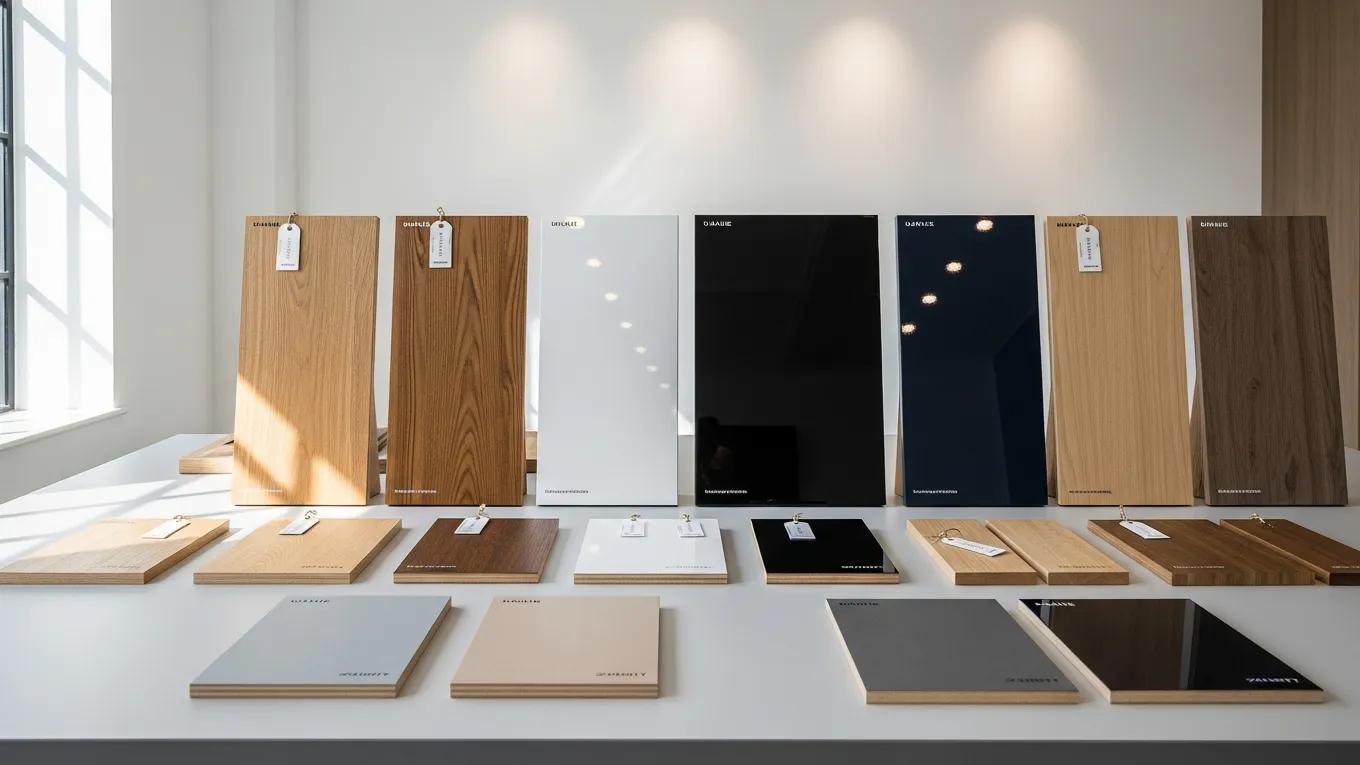
When it comes to designing a fitted wardrobe, the choice of materials and finishes can greatly impact the overall aesthetic and functionality of the space. In this section, we'll explore the most popular types of materials and finishes used in fitted wardrobe design, and discuss their pros and cons.
Wood and Wood-Based Materials
Wood and wood-based materials are a popular choice for fitted wardrobes due to their natural beauty, durability, and versatility. From solid wood to engineered wood, and from oak to maple, there are numerous options to choose from. Wood-based materials, such as plywood and MDF, are also widely used for their affordability and ease of installation. Pros:
- Natural beauty and warmth
- Durable and long-lasting
- Versatile and can be stained or painted
- Can be sourced sustainably Cons:
- Can be expensive
- Requires regular maintenance
- May be prone to scratches and dents
Metal and Glass Materials
Metal and glass materials are a modern and sleek choice for fitted wardrobes, offering a high-end look and feel. Metal wardrobes can be made from a variety of metals, including steel, aluminum, and copper, while glass wardrobes can be made from tempered glass or low-iron glass. Pros:
- Modern and sleek aesthetic
- Durable and long-lasting
- Easy to clean and maintain
- Can be designed to be fully customised Cons:
- Can be expensive
- May be prone to scratches and dents
- Can be noisy
Eco-Friendly and Sustainable Materials
As consumers become increasingly aware of the importance of sustainability and environmental responsibility, eco-friendly and sustainable materials are becoming a popular choice for fitted wardrobes. These materials include reclaimed wood, bamboo, and FSC-certified wood. Pros:
- Sustainable and eco-friendly
- Can be sourced locally
- Can be designed to be fully customised
- Can be used to create a unique and rustic look Cons:
- May be more expensive
- Can be prone to scratches and dents
- May require special maintenance
Comparison of Materials and Finishes
When choosing the materials and finishes for your fitted wardrobe, it's essential to consider your lifestyle, budget, and personal preferences. Here's a comparison of the pros and cons of each material:
| Material | Pros | Cons |
|---|---|---|
| Wood and Wood-Based Materials | Natural beauty, durable, versatile | Expensive, requires maintenance, prone to scratches and dents |
| Metal and Glass Materials | Modern and sleek, durable, easy to clean | Expensive, prone to scratches and dents, noisy |
| Eco-Friendly and Sustainable Materials | Sustainable, eco-friendly, can be sourced locally | More expensive, prone to scratches and dents, requires special maintenance |
Ultimately, the choice of materials and finishes for your fitted wardrobe will depend on your unique needs and preferences. By considering the pros and cons of each material, you can create a space that is both functional and beautiful.
Incorporating Personal Style and Taste into a Fitted Wardrobe Design
When it comes to designing a fitted wardrobe, it's easy to get caught up in the functional aspects of the space - shelves, drawers, and storage solutions. However, a well-designed fitted wardrobe is not just about functionality; it's also about creating a space that reflects your personal style and taste. After all, your wardrobe is a reflection of who you are, and incorporating your unique personality into the design can make all the difference.
Choosing Colours and Patterns
When selecting colours and patterns for your fitted wardrobe, consider your personal style and the overall aesthetic you want to achieve. Do you prefer bold and bright colours, or softer, more muted tones? Are you a fan of patterns, or do you prefer a more minimalist approach? Consider the colours and patterns you wear most often and incorporate them into your wardrobe design. For example, if you love bold stripes, consider incorporating striped panels or shelves into your design. If you prefer a more subtle approach, opt for a solid colour or a subtle pattern.
Selecting Fabrics and Textures
In addition to colours and patterns, the fabrics and textures used in your fitted wardrobe design can also greatly impact the overall aesthetic. Consider the types of fabrics and textures you like to wear and incorporate them into your design. For example, if you love soft, luxurious fabrics, consider using velvet or suede for your shelves or drawers. If you prefer a more durable and practical approach, opt for a sturdy fabric like canvas or denim.
Adding Decorative Elements
Decorative elements can add a touch of personality to your fitted wardrobe design and make it truly unique. Consider adding decorative elements such as:
- Molding or trim to add a touch of elegance
- Lighting fixtures, such as LED strips or pendant lights, to create a warm and inviting ambiance
- Decorative hardware, such as knobs or handles, to add a touch of personality
- Artwork or prints to create a visually interesting and engaging space
Creating a Unique and Personalised Design
The key to creating a unique and personalised fitted wardrobe design is to think outside the box and incorporate elements that reflect your personal style and taste. Consider the following tips:
- Don't be afraid to experiment and try new things - a fitted wardrobe is a great opportunity to express your creativity and personality.
- Consider incorporating personal items, such as family photos or heirlooms, into your design.
- Think about the way you use your wardrobe and design it to meet your specific needs and preferences.
- Don't forget to have fun and enjoy the process of creating a space that truly reflects who you are.
By incorporating personal style and taste into your fitted wardrobe design, you can create a space that not only meets your functional needs but also reflects your unique personality and aesthetic. Remember, your wardrobe is a reflection of who you are, and with a little creativity and imagination, you can create a space that truly reflects your style and taste.

Effective Strategies for Maintaining a Well-Organised and Clutter-Free Fitted Wardrobe
Maintaining a well-organised and clutter-free fitted wardrobe is not a one-time task, but rather an ongoing process that requires regular attention and effort. By incorporating the following strategies into your daily routine, you can keep your wardrobe looking its best and ensure that it continues to serve as a peaceful and functional space.
Creating a Maintenance Schedule
To maintain a clutter-free wardrobe, it's essential to establish a regular maintenance schedule. Set aside a specific time each week, such as Sunday evening or Monday morning, to tidy up your wardrobe and ensure that everything is in its place. This can be as simple as:
- Hanging up clothes that are out of place
- Folding and storing items that are not in use
- Dusting and polishing shelves and storage units
- Checking for any items that need to be repaired or replaced
By incorporating a regular maintenance schedule into your routine, you'll be able to keep your wardrobe looking its best and prevent clutter from building up.
Using Storage and Organisation Solutions
Effective storage and organisation solutions are crucial for maintaining a clutter-free wardrobe. Consider investing in the following:
- Double rods to maximise hanging space
- Shelves and storage units for folded items and accessories
- Drawers and cabinets for storing items that you don't use frequently
- Hooks and baskets for hanging belts, hats, and other accessories
By using these storage and organisation solutions, you'll be able to keep your wardrobe organised and make the most of the space you have available.
Avoiding Clutter and DisorganizationAvoiding Clutter and Disorganisation
To maintain a clutter-free wardrobe, it's essential to avoid clutter and disorganisation in the first place. Here are a few strategies to help you do so:
- Only keep items that bring you joy or serve a purpose
- Avoid buying items that you don't need or that won't fit in your wardrobe
- Consider the 80/20 rule: 80% of the time, you likely wear 20% of your clothes
- Consider a "one in, one out" policy: for every new item you bring into your wardrobe, get rid of an old one
- Consider the 6-month rule: if you haven't worn an item in 6 months, it's likely safe to get rid of it
By being mindful of your purchasing habits and avoiding clutter, you'll be able to maintain a clutter-free wardrobe and make the most of the space you have available.
Maintaining a Clean and Hygienic Environment
Finally, it's essential to maintain a clean and hygienic environment in your wardrobe. Here are a few strategies to help you do so:
- Regularly dust and vacuum your wardrobe to prevent dust and allergens from building up
- Clean your shelves and storage units regularly to prevent the buildup of dirt and grime
- Consider using a dehumidifier to prevent moisture from building up in your wardrobe
- Regularly check for any signs of pest infestation, such as bed bugs or moths
- Consider using a fabric refresher or deodorizer to keep your clothes smelling fresh and clean
By maintaining a clean and hygienic environment in your wardrobe, you'll be able to keep your clothes looking their best and prevent the buildup of dirt and grime.
The Benefits of a Well-Designed Fitted Wardrobe on Mental Health, Self-Confidence, and Overall Well-Being
A well-designed fitted wardrobe is more than just a practical solution for storing our clothes and accessories. It's a reflection of our personal style, a sanctuary for our belongings, and a space that can have a profound impact on our mental health, self-confidence, and overall well-being.
When we're surrounded by clutter and disorganisation, it's easy to feel overwhelmed and anxious. The constant stress of searching for a specific item, the feeling of being buried under a mountain of clothes, and the guilt of not being able to find what we need can all take a toll on our mental health. But a well-designed fitted wardrobe can be a game-changer. By creating a space that's organised, efficient, and peaceful, we can reduce stress and anxiety, and feel more in control of our lives.
- Reducing Stress and Anxiety: A well-designed fitted wardrobe can help reduce stress and anxiety by providing a sense of organisation and control. When we know exactly where everything is, and can easily find what we need, we feel more confident and in charge.
- Improving Self-Esteem and Confidence: A well-designed fitted wardrobe can also improve our self-esteem and confidence. When we look good, we feel good, and a well-organised closet can help us feel more put together and confident in our own skin.
- Enhancing Productivity and Focus: A well-designed fitted wardrobe can also enhance our productivity and focus. When we're not wasting time searching for what we need, we can focus on more important things, like our work, our relationships, or our hobbies.
- Improving Relationships and Social Status: Finally, a well-designed fitted wardrobe can even improve our relationships and social status. When we feel more confident and put together, we're more likely to take risks, try new things, and put ourselves out there, which can lead to new relationships and opportunities.
So, how can you create a well-designed fitted wardrobe that benefits your mental health, self-confidence, and overall well-being? In the next section, we'll explore the practical tips and advice you need to create a customised and functional space that suits your needs and preferences.
The Importance of Considering the Environment and Sustainability When Designing a Fitted Wardrobe
As we strive to create a more organised and peaceful living environment, it's essential to consider the environmental impact of our design choices. A well-designed fitted wardrobe can not only improve our mental health and well-being but also contribute to a more sustainable future. In this section, we'll explore the importance of incorporating eco-friendly and sustainable materials, energy efficiency, and waste reduction into your fitted wardrobe design.
Eco-Friendly and Sustainable Materials
When selecting materials for your fitted wardrobe, consider opting for eco-friendly and sustainable options. These materials are not only better for the environment but also offer numerous benefits for your health and well-being. Some popular eco-friendly materials include:
- Reclaimed wood: Sourced from sustainable forests or reclaimed from old buildings, reclaimed wood reduces waste and supports responsible forestry practices.
- Bamboo: A highly renewable and versatile material, bamboo is lightweight, durable, and resistant to pests and decay.
- Low-VOC (Volatile Organic Compound) paints and finishes: These eco-friendly paints and finishes emit fewer toxins, creating a healthier indoor environment.
Energy Efficiency and Conservation
A well-designed fitted wardrobe can also contribute to energy efficiency and conservation. Consider incorporating features such as:
- LED lighting: Energy-efficient LED lights reduce energy consumption and last longer than traditional incandescent bulbs.
- Smart storage solutions: Design your wardrobe with smart storage solutions that maximise storage capacity while minimizing energy consumption.
- Insulation: Proper insulation can help regulate temperature and reduce energy consumption.
Waste Reduction and Recycling
When designing your fitted wardrobe, consider the waste reduction and recycling potential of your design choices. Some strategies include:
- Upcycling and repurposing: Get creative and find new uses for old materials, reducing waste and the need for new resources.
- Recycling: Design your wardrobe with recyclable materials in mind, making it easier to recycle and reuse components.
- Minimalism: Embrace a minimalist approach to design, reducing the amount of materials needed and minimizing waste.
Creating a Sustainable and Environmentally Friendly Design
To create a sustainable and environmentally friendly fitted wardrobe design, consider the following principles:
- Reduce: Minimise the amount of materials needed for your design.
- Reuse: Incorporate recycled and upcycled materials into your design.
- Recycle: Design with recyclable materials in mind.
- Sustain: Choose materials and finishes that support sustainable forestry practices and reduce waste.
By incorporating eco-friendly and sustainable materials, energy efficiency, and waste reduction into your fitted wardrobe design, you can create a space that not only improves your mental health and well-being but also contributes to a more sustainable future.
The Benefits of Hiring a Professional Organiser or Interior Designer for a Fitted Wardrobe Design
When it comes to designing a fitted wardrobe, it's easy to get caught up in the excitement of creating a space that's both functional and beautiful. However, without the right expertise and guidance, the process can quickly become overwhelming and stressful. That's where a professional organiser or interior designer comes in – they can help you navigate the complexities of fitted wardrobe design and create a space that truly reflects your needs and style.
Expertise and Experience
A professional organiser or interior designer has spent years honing their skills and knowledge in the field of home organisation and design. They've worked with countless clients, each with their unique needs and preferences, and have developed a deep understanding of what works and what doesn't. By hiring a professional, you can tap into their expertise and benefit from their experience, ensuring that your fitted wardrobe design is both functional and aesthetically pleasing.
Customised and Personalised Design
A professional organiser or interior designer will work closely with you to understand your needs, preferences, and lifestyle. They'll take the time to assess your space, discuss your goals and aspirations, and develop a customised design that meets your specific requirements. This personalised approach ensures that your fitted wardrobe is tailored to your unique needs, providing a space that's both functional and beautiful.
FAQs
What are the benefits of a well-designed fitted wardrobe?
A well-designed fitted wardrobe can improve mental clarity, reduce stress, and boost self-confidence, while also providing a sense of organisation and control. It can also improve productivity, focus, and time management, as well as enhance relationships and social status.
How can I create a customised and functional fitted wardrobe design?
To create a customised and functional fitted wardrobe design, assess your needs and preferences, choose the right materials and finishes, incorporate personal style and taste, and design for functionality and efficiency. Consider factors such as storage, organisation, and maintenance to create a space that meets your needs.
What are the most effective strategies for maintaining a well-organised and clutter-free fitted wardrobe?
Effective strategies for maintaining a well-organised and clutter-free fitted wardrobe include creating a maintenance schedule, using storage and organisation solutions, avoiding clutter and disorganisation, and maintaining a clean and hygienic environment. Regular cleaning and maintenance can help prevent clutter and keep your wardrobe organised.
What are the average costs of a fitted wardrobe design and installation?
The average costs of a fitted wardrobe design and installation can vary depending on factors such as materials, finishes, and installation costs. On average, a fitted wardrobe design can cost between $5,000 to $20,000, depending on the complexity of the design and the materials used.
What are the most popular types of materials and finishes used in fitted wardrobe design?
The most popular types of materials and finishes used in fitted wardrobe design include wood and wood-based materials, metal and glass materials, and eco-friendly and sustainable materials. The choice of material and finish will depend on your personal style, budget, and functional needs.
How can I incorporate personal style and taste into a fitted wardrobe design?
To incorporate personal style and taste into a fitted wardrobe design, choose colours and patterns that reflect your personality, select fabrics and textures that suit your style, and add decorative elements that reflect your taste. Consider factors such as lighting, colour, and texture to create a space that reflects your personal style.
What are the benefits of hiring a professional organiser or interior designer for a fitted wardrobe design?
Hiring a professional organiser or interior designer can provide expertise and experience, customised and personalised design, time-saving and stress reduction, and access to high-quality materials and finishes. They can help you create a space that meets your needs and reflects your personal style.
How can I ensure that my fitted wardrobe design is sustainable and environmentally friendly?
To ensure that your fitted wardrobe design is sustainable and environmentally friendly, choose eco-friendly and sustainable materials, consider energy efficiency and conservation, reduce waste and recycling, and create a design that minimizes environmental impact. Consider factors such as material sourcing, production, and disposal to create a sustainable and environmentally friendly design.

